Effective lighting design is crucial for defining the character and perceived function of a space. In a dining room, lighting transcends mere illumination; it contributes significantly to the atmosphere, influencing guest comfort, conversation, and even the appreciation of food. Ambient light provides general illumination, task lighting supports specific activities, and accent lighting highlights features or creates visual interest. The strategic deployment of these types of lighting, particularly accent lighting, can transform a dining room from a functional space into an environment conducive to specific social or culinary experiences.
Understanding the Impact of Light Color and Intensity
The color temperature of light, measured in Kelvin (K), plays a vital role in setting the mood. Warm white light (2700K-3000K) often evokes feelings of comfort and relaxation, akin to candlelight or a traditional incandescent bulb. Cooler white light (3500K-5000K) tends to promote alertness and productivity, resembling natural daylight. For dining rooms, a balance is often sought, with a preference towards warmer tones for intimate and relaxed settings, and slightly cooler tones for more vibrant or formal occasions. The intensity of light, measured in lumens, also directly affects ambiance. Dimmers are therefore indispensable tools, allowing for dynamic adjustments to light levels to suit various situations, from bright family meals to subdued evening entertaining.
The Psychology of Accent Lighting
Accent lighting acts as a visual guide and a mood sculptor. By drawing attention to specific architectural features, artwork, or decorative elements, it establishes focal points within the room. This selective illumination can create depth and dimension, preventing the space from appearing flat or uninspired. Psychologically, accent lighting can foster a sense of intimacy by subtly reducing the overall perceived light level while highlighting points of interest. It allows the eye to linger on curated elements, rather than being overwhelmed by uniform brightness.
Strategic Placement of Wall Accent Mood Lighting
The effectiveness of wall accent mood lighting hinges on its strategic placement and the type of fixture employed. Rather than a blanket application, targeted illumination creates depth and visual interest. Consider the room’s architecture, its existing decor, and the desired atmosphere when planning light placement.
Uplighting and Downlighting Techniques
Uplighting involves positioning fixtures to direct light upwards along a wall, often creating a luminous wash that expands the perceived height of the room. This technique can highlight textured walls, architectural details like crown molding, or artwork mounted higher on the wall. Conversely, downlighting directs light downwards, creating pools of illumination that can emphasize lower wall features, delineate zones, or provide focused light on specific objects. A common application of downlighting for mood is grazing, where fixtures are placed close to the wall surface to accentuate its texture.
Wall Washers and Sconces
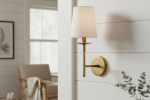
Wall washers are designed to evenly illuminate a large section of a wall, creating a smooth and uniform blanket of light. This can be effective for showcasing a feature wall, such as one covered in unique wallpaper or decorative paneling. For a more diffused and softer glow, sconces are a traditional and versatile option. These fixtures mount directly to the wall and typically direct light both upwards and downwards, casting a gentle, indirect illumination that adds warmth and minimizes glare. The design of the sconce itself can also contribute to the room’s aesthetic, serving as a decorative element even when unlit.
Picture Lights and Integrated LED Strips
For highlighting artwork or photographs, picture lights are a focused solution. These small fixtures are typically mounted directly above the artwork and direct light downwards, illuminating the piece without spilling excessive light onto the surrounding wall. For a contemporary approach to accent lighting, integrated LED strips offer flexibility and a subtle, almost invisible light source. These strips can be recessed into architectural coves, behind shelving, or along the perimeter of a wall to create bespoke lighting effects. Their low profile and energy efficiency make them suitable for a variety of applications.
Selecting Appropriate Fixtures and Bulbs
The choice of fixtures and bulbs significantly influences the aesthetic and functional outcome of wall accent mood lighting. Functionality, design, and energy efficiency are key considerations.
Luminaire Design and Material
The fixture itself is an integral part of the dining room decor. Its design, finish, and material should complement the overall style of the space. For example, a minimalist dining room might benefit from sleek, unobtrusive fixtures, while a rustic setting could incorporate fixtures made from natural materials like wood or wrought iron. The material of the luminaire can also affect the quality of light. Frosted glass or diffusers can soften harsh light, while polished metal can create reflective highlights. Ultimately, the fixture should contribute to the room’s visual harmony.
Dimmer Compatibility and Smart Lighting
The ability to control light intensity is paramount for creating varying moods. Ensure that all selected fixtures and bulbs are compatible with dimmer switches. Dimming capabilities allow for fine-tuning the ambiance to suit different activities and times of day. Furthermore, the integration of smart lighting systems offers advanced control. These systems allow for remote operation, scheduling, and even color-changing capabilities, providing unparalleled flexibility in crafting the desired atmosphere. Smart lighting can also contribute to energy efficiency by allowing precise control over illumination levels.
Energy Efficiency and Bulb Type
Modern accent lighting emphasizes energy efficiency, contributing to lower operating costs and a reduced environmental footprint. LED (Light Emitting Diode) bulbs are the industry standard for efficiency, longevity, and versatility. They offer a wide range of color temperatures and beam angles, making them suitable for various accent lighting applications. While incandescent bulbs provide a warm, familiar glow, their energy consumption is significantly higher. Halogen bulbs offer good color rendering but also generate considerable heat. Prioritizing LED technology ensures both aesthetic and practical benefits.
Integrating Accent Lighting with Existing Illumination
Effective lighting design is a symphony, not a solo performance. Wall accent mood lighting should complement and enhance the existing layers of illumination within the dining room, creating a cohesive and well-balanced scheme.
Layering Light for Depth and Interest
Think of lighting as creating layers within the room. Ambient light provides the base, ensuring general visibility. Task illumination supports specific functions, such as reading a menu or presenting food. Wall accent lighting adds the final layer, introducing visual interest, defining focal points, and contributing to the overall mood. When these layers are thoughtfully combined, they create depth, prevent monotony, and allow for a more nuanced control over the room’s atmosphere. Without the grounding of ambient or task lighting, accent lighting can appear stark or disjointed.
Balancing Brightness and Contrast
A successful lighting scheme maintains a balance between brightness and contrast. Overly bright accent lighting can overwhelm a space, while too little can render it ineffective. The goal is to create visual hierarchy, guiding the eye to specific areas without creating harsh shadows or blinding glare. Consider the relative intensity of accent lighting compared to the ambient light. For a subtle mood, accent lighting might be only slightly brighter in specific areas. For dramatic effect, a greater contrast can be employed. The key is to avoid uniformity and instead create visual interest through varying light levels.
Avoiding Glare and Hot Spots
Poorly placed or excessively bright accent lighting can lead to glare, causing discomfort and detracting from the overall ambiance. Ensure that light sources are concealed or diffused where possible, and avoid directing high-intensity beams directly into viewers’ eyes. Hot spots, areas of disproportionately intense light, can also disrupt the visual flow. Distribute accent lighting thoughtfully to create a smooth transition between illuminated and less illuminated areas. The aim is to create an inviting visual experience, not one that causes visual fatigue.
Practical Considerations and Installation Tips
Beyond aesthetic considerations, practical aspects and proper installation are crucial for the long-term success and safety of wall accent mood lighting. Adherence to electrical codes and thoughtful planning are essential.
Electrical Wiring and Code Compliance
All electrical work, particularly that involving wall-mounted fixtures, must comply with local electrical codes and regulations. If you are not a qualified electrician, it is advisable to consult or hire one for installation. This ensures both safety and proper functionality. Concealing wiring within walls generally requires demolition and repair work, an important consideration for existing structures. Exposed wiring, while sometimes employed for specific aesthetic styles (e.g., industrial), must also adhere to specific safety standards.
Measuring and Planning for Optimal Coverage
Before installation, meticulously measure the dining room walls and sketch out a lighting plan. Consider the dimensions of the room, the placement of furniture, and the location of focal points. Determine the desired spread and intensity of light from each fixture. For wall washing, ensure an even distribution of light without producing distracting shadows. For accentuating specific objects, position fixtures to cast light directly onto the item. A well-executed plan minimizes potential errors during installation and ensures the desired effect.
Maintenance and Accessibility
Consider the long-term maintenance of your accent lighting. Are fixtures easily accessible for bulb replacement or cleaning? High-mounted fixtures may require ladders or specialized equipment. Choose durable materials that can withstand the dining room environment, which may include occasional splashes or cooking fumes. For LED systems, their long lifespan typically reduces the frequency of bulb replacement, a significant advantage. However, periodic cleaning of fixtures to remove dust and grime is often necessary to maintain optimal light output and appearance. Accessibility should be a key factor in fixture selection and placement to simplify these routine tasks.
Future Flexibility and Adaptability
While planning, consider the potential for future changes to the dining room’s decor or function. Can the lighting scheme adapt? Rail lighting systems, for instance, offer flexibility as fixtures can be repositioned or added. Smart lighting systems provide inherent adaptability through software control. Designing a system that allows for modifications without extensive reinstallation can save time and resources in the long run. The dining room, as a dynamic space, benefits from lighting that is not rigidly fixed but can evolve with the needs of its occupants.