The dining room, a central nexus for shared meals and conversations, benefits significantly from considered lighting design. Beyond the functional illumination provided by overhead fixtures, wall accent lighting offers a nuanced approach to shaping the room’s atmosphere. This article explores strategies for integrating wall accent lighting to enhance the dining experience, focusing on different types of fixtures, their applications, and the principles of effective design.
Wall accent lighting transcends mere illumination; it functions as a design element that crafts the visual narrative of a space. Unlike ambient or task lighting, accent lighting Zweedo is specifically designed to highlight architectural features, artwork, or textures, thereby manipulating the viewer’s focus and perception. In a dining room, its strategic deployment can transform a utilitarian space into an inviting and aesthetically rich environment.
Defining Ambiance
Ambiance, in the context of a dining room, refers to the overall character and mood of the space. Wall accent lighting plays a pivotal role in defining this ambiance by:
- Creating Focal Points: Directing attention to specific areas, such as a feature wall, a piece of art, or a collection of decorative plates. This draws the eye and provides visual anchors within the room.
- Adding Depth and Dimension: Introducing shadows and highlights that break up flat surfaces, giving the room a more layered and sculptural quality. This is particularly effective in rooms with limited natural light.
- Enhancing Textures: Illuminating materials like brick, wood panels, or wallpaper in a way that emphasizes their inherent tactile qualities, making them visually more engaging.
- Modulating Light Levels: Supplementing general lighting to achieve a desired brightness without harshness. Dimmable accent lights offer flexibility for various dining scenarios, from intimate dinners to lively gatherings.
Beyond Functionality
While overhead fixtures provide the primary light source for dining, wall accent lighting caters to a different objective: aesthetic enhancement. It acts as a supporting actor, subtly influencing the audience’s emotional response to the scene. Its absence can leave a room feeling stark or under-designed, much like a stage without carefully placed spotlights.
Types of Wall Accent Lighting Fixtures
A variety of fixtures can be employed to achieve specific lighting effects on walls. The choice of fixture depends on the desired outcome, the architectural style of the room, and the objects being illuminated.
Wall Sconces
Wall sconces are perhaps the most ubiquitous form of wall accent lighting. They are mounted directly to the wall and typically project light upwards, downwards, or both. Their design ranges from contemporary minimalist to ornate traditional, allowing for integration with diverse interior styles.
- Uplight Sconces: These direct light towards the ceiling, creating an indirect, diffused glow that softens the overall illumination. This is effective for creating a sense of warmth and spaciousness.
- Downlight Sconces: Illuminating the wall surface below the fixture, downlight sconces are suitable for highlighting wainscoting, texture, or artwork placed beneath them. They can create a dramatic wash of light.
- Up/Downlight Sconces: These versatile fixtures combine both effects, casting light in two directions. They offer a balanced illumination that can emphasize both vertical expanse and specific wall features.
- Decorative Sconces: Beyond their functional role, many sconces are designed as sculptural elements themselves, adding visual interest even when unlit. Their material, finish, and form contribute significantly to the room’s aesthetic.
Picture Lights
Specifically designed to illuminate artwork, picture lights are mounted above a painting or frame and project a focused beam downwards. The goal is to illuminate the art uniformly without glare or shadows.
- Proportionality: The length of a picture light should generally be approximately half to two-thirds the width of the artwork it illuminates for optimal coverage.
- Color Rendering Index (CRI): For artwork, a high CRI (90+) is crucial to ensure that the colors of the art are accurately represented. Low CRI lighting can distort colors, diminishing the viewer’s appreciation.
- Beam Spread: A wide beam spread is typically preferred for even illumination of the entire artwork, preventing hot spots or dark areas.
Wall Washers
Wall washers are fixtures designed to evenly illuminate a large section of a wall surface from top to bottom. They create a consistent, soft glow that emphasizes the wall itself, its color, or its texture, rather than specific objects on it.
- Recessed Wall Washers: These are installed in the ceiling, typically a few feet from the wall, and project light downwards. They create a seamless wash of light, ideal for showcasing a feature wall or providing ambient light.
- Track Lighting with Wall Washer Heads: Track lighting offers flexibility, allowing the user to adjust the position and direction of fixtures. Wall washer heads on a track can be precisely aimed to cover specific wall areas.
- Linear Wall Washers: Often slim and discreet, these fixtures can be mounted near the ceiling or floor to cast an even light across a wall, creating a subtle, continuous glow.
Cove and Valance Lighting
These indirect lighting techniques conceal the light source within architectural elements, casting light onto adjacent surfaces. This creates a soft, diffused illumination that defines the edges of a room.
- Cove Lighting: Installed in a recessed channel or ledge near the ceiling, cove lighting directs light upwards, bouncing it off the ceiling to create a gentle, ambient glow. This is effective for visually expanding a room and adding a sense of luxury.
- Valance Lighting: Similar to cove lighting, but typically mounted above a window or along a wall, with light directed downwards. It can highlight drapery or add a soft light wash to the upper wall.
Strategic Placement and Design Principles
Effective wall accent lighting is not merely about installing fixtures; it involves a thoughtful approach to placement, light temperature, and intensity.
Layering Light
A well-lit dining room employs a layered lighting scheme. This involves combining different types of lighting – ambient, task, and accent – to achieve functional needs and aesthetic goals.
- Ambient Lighting: Provides general illumination for the room, often from overhead fixtures like chandeliers or recessed lights. It is the foundation of the lighting scheme.
- Task Lighting: Directed at specific work areas, such as a sideboard for serving or a bar cart. While less critical in the main dining area, it can be relevant for supplementary functions.
- Accent Lighting: The focus of this discussion, accent lighting adds visual interest and creates focal points, serving as the “jewelry” of the room’s illumination.
By layering these types, a designer can create a versatile and dynamic lighting environment that can be adjusted for different occasions. The interplay of light sources prevents a flat or monotonous appearance, similar to a musician layering different instruments to create a richer composition.
Light Temperature and Color Rendering
The color temperature of light, measured in Kelvin (K), significantly impacts the mood of a room.
- Warm White (2700K-3000K): Emits a soft, yellowish glow reminiscent of incandescent bulbs. This creates a cozy, inviting atmosphere, ideal for dining rooms where warmth and relaxation are desired.
- Neutral White (3500K-4000K): A cleaner, less yellow light that can feel more energizing. While suitable for kitchens or workspaces, it might be too stark for a intimate dining setting.
- Cool White (5000K+): Approaches the color of daylight, typically too bright and cold for dining rooms, often used in commercial or very modern, minimalist spaces.
For dining rooms, warm white light is generally preferred as it enhances the visual appeal of food and fosters a comfortable, social environment. Furthermore, a high Color Rendering Index (CRI) is crucial. A CRI of 90 or higher ensures that colors, including those of food and decor, appear vibrant and true to life. Just as a painter selects the right palette, so too must the lighting designer choose the appropriate light temperature and CRI.
Dimmers and Controls
The ability to control the intensity of wall accent lighting is paramount for creating flexible environments. Dimmers allow for seamless adjustment of light levels, adapting the room’s ambiance from bright and engaging to soft and intimate.
- Single-Pole Dimmers: Control a single fixture or group of fixtures from one location.
- 3-Way/4-Way Dimmers: Allow control from multiple locations, useful in larger dining rooms or those with multiple entry points.
- Smart Dimmers/Systems: Integrate with home automation, offering programmed scenes and remote control via smartphone apps or voice commands. This allows for pre-set dining moods – for example, a “dinner party” scene that brightens all lights, and a “romantic dinner” scene that dims them significantly.
The power to fine-tune light intensity is the orchestrator’s baton, allowing the mood of the room to be conducted with precision.
Integrating Wall Accent Lighting with Dining Room Decor
The effectiveness of wall accent lighting is amplified when it harmonizes with the existing decor and architectural elements of the dining room.
Highlighting Architectural Features
Wall accent lighting can draw attention to existing architectural details, transforming them into focal points.
- Textured Walls: Brick, stone, wood panels, or intricate wallpaper designs can be dramatically enhanced with grazing light, which casts shadows that emphasize their three-dimensional quality. Uplights or downlights positioned close to the wall surface are ideal for this.
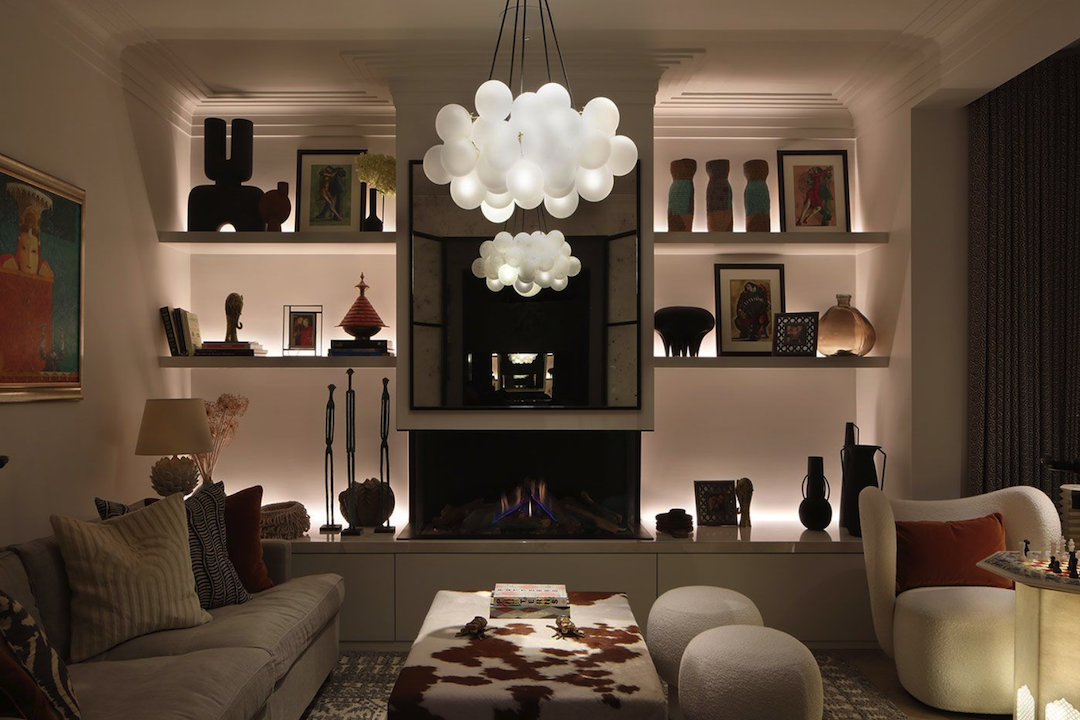
- Built-in Cabinetry/Shelving: Integrated lighting within or above display shelves can highlight collections of china, glassware, or decorative objects. This creates illuminated niches that add depth and visual interest.
- Moldings and Trim: Linear LED strips concealed within crown molding or behind wainscoting can provide a subtle glow that outlines these architectural elements, emphasizing their form and contributing to the room’s overall elegance.
Emphasizing Artwork and Decor
Artwork, sculptures, and decorative mirrors are natural candidates for accent lighting. Proper illumination ensures they are seen to their best advantage.
- Artwork: Picture lights are the most direct solution for individual pieces. For a gallery wall, a series of smaller recessed fixtures or track lighting with adjustable heads can provide flexible illumination.
- Sculptures: A carefully placed spotlight from a track or small recessed fixture can highlight the form and texture of a sculpture, creating dramatic shadows that give it greater presence.
- Mirrors: Lights positioned on either side of or above a decorative mirror can accentuate its frame and reflect light back into the room, seemingly expanding the space and increasing brightness. However, care must be taken to avoid glare.
Creating Visual Cohesion
Wall accent lighting should not exist in isolation. It should contribute to the overall visual narrative of the room, acting as a thread that weaves together different design elements.
- Repetition of Fixtures: Using a consistent style of sconce or a recurring lighting effect throughout the room can establish visual rhythm and continuity.
- Balancing Light Levels: Ensure that the accent lighting complements, rather than competes with, ambient and task lighting. The goal is a balanced illumination where no single light source overwhelmingly dominates.
- Consideration of Reflection: Highly reflective surfaces, such as polished metals, glossy paint, or glass, will interact with light differently. Anticipate how light will bounce off these surfaces to avoid unwanted glare or distracting reflections.
Practical Considerations and Installation Tips
Successfully implementing wall accent lighting requires attention to technical details and installation practices.
Planning and Layout
Before any installation, a thorough plan is essential. This prevents costly mistakes and ensures the desired outcome.
- Blueprint/Sketch: Draw a detailed floor plan of your dining room, indicating furniture placement, doors, windows, and existing electrical outlets. This helps visualize where wall accent lights could be most effective.
- Power Access: Identify existing electrical wiring. New wall accent lights will likely require hardwiring, which may necessitate consulting an electrician to run new circuits or extend existing ones.
- Switching Zones: Decide how you want to control your lights. Group fixtures onto separate switches or dimmer circuits to allow for independent control of different lighting layers.
- Fixture Prototyping: If possible, use temporary clamping lights or even just plain bulbs held up to simulate the effect of potential fixtures and their beam spreads before final installation. This “dry run” can reveal unexpected issues or better alternatives.
Beam Angle and Direction
The beam angle of a light fixture determines how wide or narrow the light spread is.
- Narrow Beam (Spotlight): Ideal for highlighting small objects, specific pieces of art, or for creating dramatic pools of light. It emphasizes contrast.
- Medium Beam (Floodlight): Suitable for illuminating larger objects, features, or architectural details where a broader, but still focused, light is desired.
- Wide Beam (Wall Washer): Designed to evenly illuminate a large surface, such as a feature wall, creating a smooth, consistent glow.
The directionality of the light—whether it’s uplight, downlight, or grazing light—will dramatically alter the shadows and highlights created, thereby shaping the perceived texture and form of the wall surface.
Energy Efficiency and Maintenance
Modern lighting technologies offer both aesthetic appeal and practical benefits.
- LED Technology: Light Emitting Diodes are highly energy-efficient, have a long lifespan (often tens of thousands of hours), and produce minimal heat. They are available in a wide range of color temperatures and offer excellent dimming capabilities, making them an ideal choice for accent lighting.
- Maintenance: Consider the ease of bulb replacement and cleaning of fixtures, particularly for those mounted at higher levels or in hard-to-reach places. LED fixtures often have integrated bulbs that last for years, minimizing maintenance.
- Futureproofing: Choose fixtures that are compatible with smart home systems if you plan to integrate your lighting into a broader home automation network.
By carefully considering these practical aspects, the installation of wall accent lighting can be a seamless and rewarding process, ensuring long-term satisfaction with the dining room’s enhanced ambiance. Just as the foundations of a building must be solid, so too must the practicalities of a lighting scheme be sound.
The integration of wall accent lighting in a dining room transcends basic functionality, elevating the space into a dynamic and emotionally resonant environment. By understanding the different types of fixtures, applying thoughtful design principles, and addressing practical considerations, you can create a dining experience that is both visually stimulating and deeply inviting. The room, once merely a place to eat, becomes a canvas, and the light, your brush, painting a compelling atmosphere for shared moments.