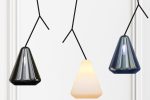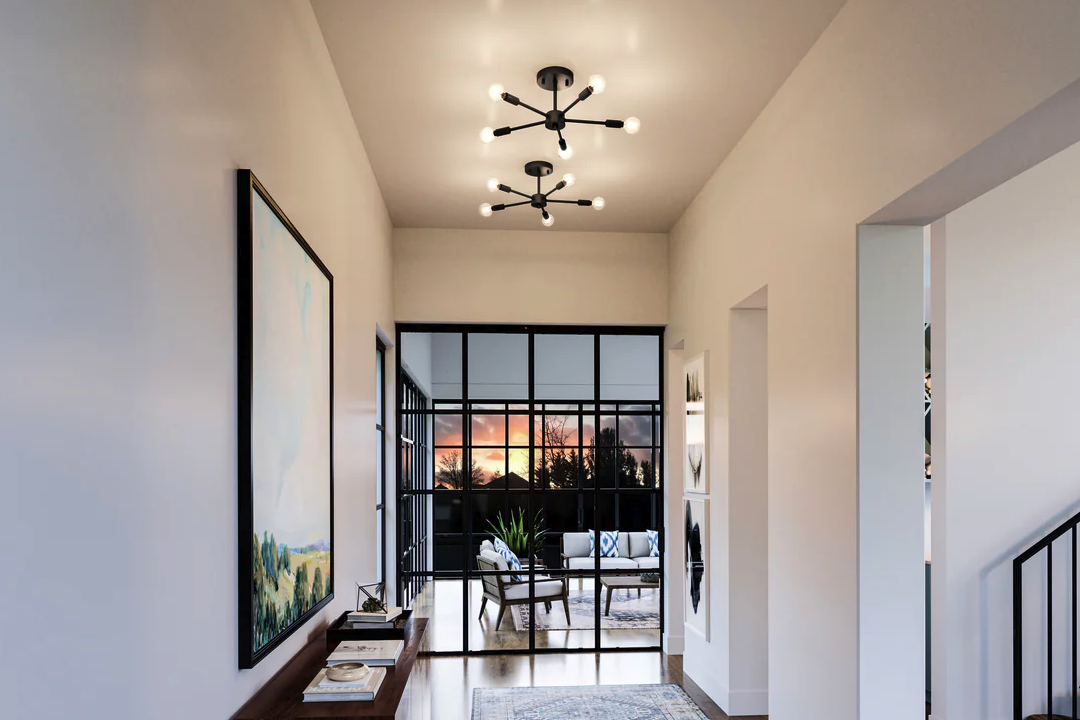
The mid-century modern design movement, roughly spanning from the 1940s to the 1960s, continues to exert a significant influence on contemporary interior design. Among its most persistent and celebrated contributions are the sculptural ceiling lamps that emerged during this era. These fixtures transcended mere functional illumination, acting as statement pieces that often defined the aesthetic of a room. Their enduring popularity speaks to a design philosophy that valued form, material, and a subtle yet impactful approach to aesthetics. This article will delve into the characteristics, historical context, and lasting relevance of these iconic lighting elements.
Genesis and Influences
The mid-century period was a time of profound societal and technological shifts. The post-war era saw a surge in optimism and a desire for new beginnings, which was reflected in the design world. Architects and designers sought to break away from the ornate styles of the past, embracing cleaner lines, organic shapes, and a more democratic approach to design.
The Dawn of Modernism
The seeds of mid-century design were sown in earlier modernist movements, such as Bauhaus and Art Deco. Bauhaus, with its emphasis on functionality, mass production, and the integration of art and craft, provided a foundational philosophy. Art Deco, though often more decorative, introduced a sense of glamour and geometric precision that some mid-century designers incorporated.
Key Design Principles
Mid-century sculptural ceiling lamps Seanoon are not characterized by a single, monolithic style. Instead, they embody a set of core principles that allow for a broad range of expressions. Understanding these principles helps to appreciate the underlying logic and intentionality behind their creation.
Simplicity and Functionality
A defining characteristic is the emphasis on simplicity. While visually striking, these lamps avoided unnecessary ornamentation. The form itself served a purpose, whether it was to diffuse light, create a specific ambiance, or act as a focal point. Functionality was paramount, but it was often expressed through elegant and considered design.
The Illusion of Effortlessness
Many designers achieved a look of effortless integration into a space. The lamps often appeared to float, their weight seemingly defied by their careful construction and placement. This was not accidental but a result of meticulous planning and a deep understanding of visual balance.
Organic Forms and Geometric Interplay
A significant departure from earlier, more rigid designs, mid-century lamps frequently drew inspiration from nature. Think of mushroom caps, blooming flowers, or swirling patterns found in the natural world. Alongside these organic shapes, geometric elements, such as spheres, cylinders, and linear structures, were often combined in inventive ways.
Biomimicry in Illumination
The concept of biomimicry, looking to nature for design solutions, was subtly at play. The way a petal unfolds or a branch clusters provided blueprints for light diffusion and shadow play. This lent the lamps a natural, approachable quality.
Material Innovation and Honesty
The mid-century era witnessed advancements in material science and a willingness to experiment. Designers utilized a range of materials that were both visually appealing and conducive to sculptural forms.
The Warmth of Brass and Copper
Metals like brass and copper were frequently employed, their warm tones adding a sense of richness and sophistication. These metals were often polished to a gleam or left with a patina, showcasing their inherent materiality.
The Art of Patina
The development of a natural patina was often seen as a desirable aging process, adding character and history to the fixture. This contrasted with the desire for pristine finishes in earlier design eras.
The Transparency and Whimsy of Glass
Glass played a crucial role, offering versatility in texture, color, and opacity. Frosted, opalescent, textured, and colored glass were all used to manipulate light and create visual interest.
Hand-Blown and Molded Glass
Much of the glass used was either hand-blown, allowing for unique organic shapes, or molded, enabling more precise geometric forms. The interplay of these techniques contributed to the diversity of designs.
The Strength and Simplicity of Wood
Wood, particularly darker hardwoods, was also integrated, often in combination with metal or glass. Its natural grain and inherent warmth provided a counterpoint to cooler metallic elements.
Wood as an Accent
Wood was frequently used for structural elements, decorative accents, or as part of a layered design, grounding the more ethereal qualities of glass and metal.
Iconic Designers and Their Contributions
Several designers stand out for their significant contributions to sculptural ceiling lamp design during the mid-century period. Their distinct styles and thoughtful approaches have left an indelible mark on the history of lighting.
Poul Henningsen
Danish designer Poul Henningsen is synonymous with the concept of “light shaping.” His PH lamps, though not always strictly sculptural in the sense of large, free-form structures, were revolutionary in their approach to glare-free illumination and layered light. His work laid the groundwork for how designers thought about the relationship between light source and user.
The Layered Approach to Light
Henningsen’s systems were designed to direct light downwards and outwards, creating a soft, diffused glow. Multiple shades were strategically layered to prevent harsh shadows and optimize visual comfort.
Function Dictating Form
While often aesthetically pleasing, the form of Henningsen’s lamps was directly dictated by his scientific understanding of light diffusion. This principle of function informing form became a hallmark of good design.
Achille Castiglioni
The Italian Castiglioni brothers, and particularly Achille, were known for their playful yet practical approach to design. They often found inspiration in everyday objects and recontextualized them for new purposes. Their sculptural ceiling lamps often featured innovative mechanisms and unexpected material combinations.
The Art of the Readymade
The Castiglionis embraced the concept of the “readymade,” taking existing objects and imbuing them with new meaning and functionality. This led to designs that felt familiar yet entirely novel.
Ingenuity in Everyday Objects
Their lighting designs frequently incorporated elements like industrial pulleys, bicycle parts, or telescopic mechanisms, showcasing a clever integration of engineering and aesthetics.
Gino Sarfatti
Another influential Italian designer, Gino Sarfatti, was a pioneer in the development of modern lighting. His work often explored modularity, flexibility, and the artistic potential of light sources themselves. He designed hundreds of lamps, many of which were sculptural in their ambition.
Modular Design and Adaptability
Sarfatti was interested in creating lighting systems that could be adapted to different spaces and needs. His modular designs allowed for a degree of customization and flexibility.
The Freedom of Repetition
The repetition of identical or similar light sources, arranged in patterns, became a key element in many of his sculptural designs, creating visual rhythm and depth.
Verner Panton
While perhaps more associated with furniture, Verner Panton’s lighting designs, particularly his plastic creations, capture the whimsical and futuristic spirit of the late mid-century. His lamps often featured vibrant colors and organic, flowing forms.
The Plastic Revolution
Panton embraced new materials like plastic, molding them into innovative and playful shapes that reflected the optimism of the era.
A Spectrum of Color
His use of color was bold and deliberate, moving away from the more subdued palettes often seen in earlier mid-century designs.
The Sculptural Element Defined
The term “sculptural” in the context of these lamps refers to more than just their physical form. It implies an artistic intent, a departure from purely utilitarian objects, and a deliberate manipulation of space and light to create a visual experience.
Beyond Mere Illumination
These lamps were designed to be appreciated even when unlit. Their form, materials, and the way they interacted with their surroundings were as important as their ability to emit light. They were intended to be objects of beauty in their own right.
The Integration of Art and Design
The lines between fine art and functional design blurred. Many of these lamps could be seen as functional sculptures, adding an artistic dimension to living spaces.
The Play of Light and Shadow
Sculptural qualities are often enhanced by the way the fixture interacts with light. The design dictated how light was diffused, reflected, and cast, creating dynamic patterns and subtle gradations.
Creating Ambiance Through Form
The specific shape and material of a lamp could dramatically alter the mood of a room. A lamp with a perforated shade would cast intricate shadows, while one with frosted glass would emit a soft, diffused glow.
The Shadow as a Design Component
Far from being an afterthought, the shadows cast by these lamps were often an intentional part of the design, contributing to the overall aesthetic.
The Importance of Scale and Proportion
The successful integration of a sculptural ceiling lamp often depended on its scale and proportion relative to the room and surrounding furniture. Designers were mindful of creating pieces that were impactful without being overwhelming.
A Focal Point Without Dominance
The aim was often to create a central point of visual interest that drew the eye but did not overpower the entire room. This required a delicate balance in size and visual weight.
The Visual Centerpiece
In many cases, the lamp became the undisputed centerpiece of a room, dictating the arrangement of furniture and the overall flow of the space.
Enduring Relevance in Modern Interiors
The mid-century sculptural ceiling lamp has not faded into obscurity. Its principles and aesthetic continue to resonate with contemporary designers and homeowners seeking to imbue their spaces with sophistication, character, and a connection to design history.
A Bridge Between Eras
These lamps offer a way to incorporate a historical design sensibility into modern architecture. They can provide a unique counterpoint to minimalist or contemporary furnishings, adding warmth and visual depth.
The Charm of Retro-Modern
The appeal lies in their ability to bridge the gap between vintage charm and modern functionality. They offer a nostalgic nod without feeling dated.
Versatility in Application
Despite their strong design identity, these lamps are surprisingly versatile. They can be found in a wide range of interiors, from residential living rooms and dining areas to commercial spaces like restaurants and boutique hotels.
Enhancing Residential Spaces
In homes, they can serve as statement pieces in living rooms, create a dramatic focal point over a dining table, or add a touch of sophistication to a bedroom.
Defining Dining Room Aesthetics
The area above a dining table is a prime location for a sculptural ceiling lamp, as it can dramatically influence the dining experience and the overall ambiance of the room.
Elevating Commercial Environments
In commercial settings, these lamps can contribute to a brand’s identity, creating a memorable and stylish atmosphere that enhances the customer experience.
Creating Distinctive Ambiance
Restaurants and hotels often use these fixtures to establish a specific mood and aesthetic, differentiating themselves from competitors.
A Mark of Discerning Taste
Choosing a mid-century sculptural ceiling lamp is often seen as a deliberate statement of design appreciation. It suggests an understanding of design history and a preference for quality, well-crafted objects.
The Statement of Intent
It signals a move away from purely trend-driven decor towards pieces that have lasting value and intrinsic merit.
Investing in Timeless Design
These lamps are not disposable decor; they are often considered investments in pieces that will retain their appeal and value over time.
In conclusion, the mid-century sculptural ceiling lamp is more than just a lighting fixture; it is a testament to a design era that prioritized form, material, and a thoughtful integration of art and function. Its enduring appeal lies in its ability to transcend time, offering a unique blend of elegance, sophistication, and a subtle yet undeniable artistic presence that continues to enrich contemporary interiors.