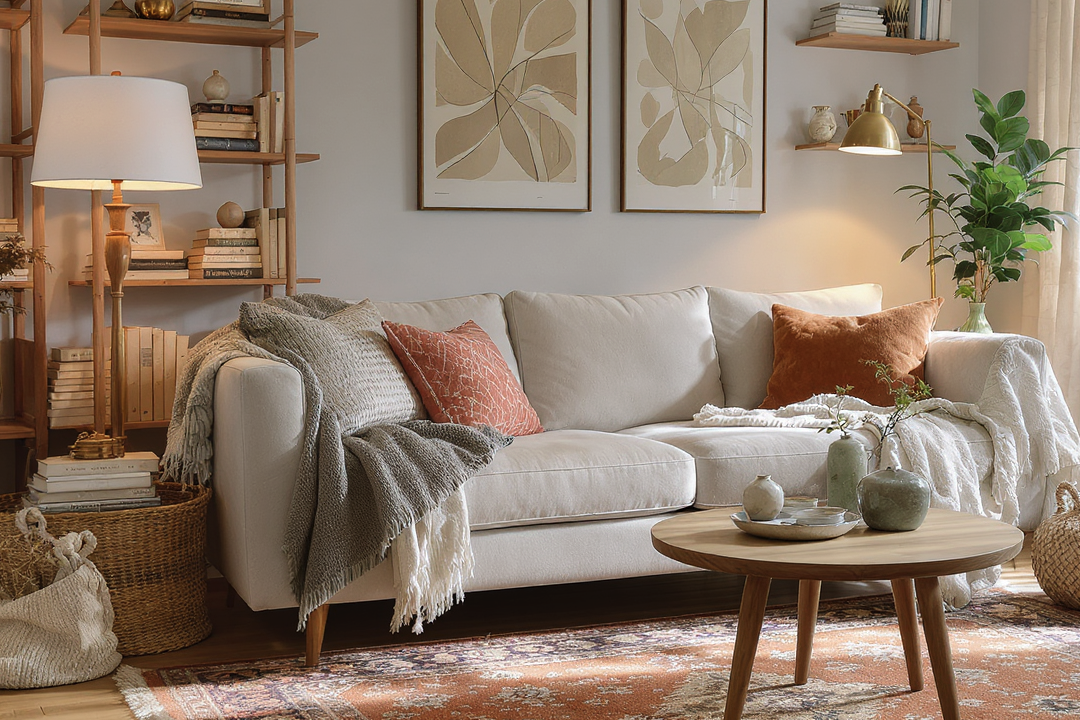
So, you’re looking to dive into maximalist lighting? Great choice! The core idea here is about using light fixtures as statement pieces – not just for illumination, but as integral parts of a rich, layered aesthetic. It’s about being bold, embracing variety, and letting your lighting do some heavy lifting in the style department, all while making sure you can actually see what you’re doing.
Understanding Maximalist Lighting
Maximalism in design isn’t about clutter; it’s about abundance and intention. For lighting Tomosshop, this means moving beyond a single overhead light and a couple of table lamps. We’re talking about a curated collection of diverse fixtures that contribute to a cohesive, albeit rich, overall look. Think of it as building an art collection, but instead of paintings, you’re gathering interesting light sources.
More Than Just Brightness
A common misconception is that more lights simply mean a brighter room. While that can be a result, the primary goal of maximalist lighting is to create visual interest, define zones, and add layers of texture and color to your space. It’s about sculpting light to enhance the atmosphere.
It’s All About Layers
Just like in maximalist decor, layering is key. You’re not just picking one chandelier; you’re considering how that chandelier interacts with sconces, floor lamps, and perhaps even some accent lighting. Each layer has a purpose, both aesthetic and functional.
Choosing Your Statement Pieces
The heart of maximalist lighting lies in selecting fixtures that command attention. These aren’t shy, retiring types; they’re the stars of the show.
Chandeliers: The Grand Gesture
A large, ornate chandelier is often the centerpiece of a maximalist lighting scheme. Don’t be afraid to go big. Think about crystal, intricate metalwork, or even a modern interpretation with multiple arms and unique shades.
- Placement: While dining rooms are classic, consider a bold chandelier in a living room, a spacious entryway, or even a generously sized bedroom. It instantly elevates the space.
- Scale: Don’t be timid. A chandelier that feels “too big” in the store might be perfect for creating that desired maximalist impact in your home. Measure your space and envision its presence.
Pendants: Versatility with Flair
Pendant lights offer incredible versatility. They can be singular showstoppers or grouped together to create a stunning installation.
- Groupings: Three or five pendants hung at varying heights over a kitchen island or a long dining table can be incredibly impactful. Mix and match styles for an eclectic feel, or choose a consistent theme with different shapes.
- Individual Statements: A single oversized pendant can act as a focal point in a reading nook, a stairwell, or even as a bedside lamp alternative. Look for unique materials like blown glass, woven natural fibers, or industrial metals.
Sconces: Wall Art That Shines
Wall sconces are often overlooked, but in a maximalist space, they are invaluable. They add ambient light, highlight artwork, and bring visual interest to otherwise blank walls.
- Architectural Detail: Sconces can draw attention to interesting architectural features or create a sense of grandeur in a hallway.
- Material Play: Choose sconces with interesting backplates, unique shades, or intricate designs that complement your overall aesthetic. Think about mixing metals or incorporating unexpected materials.
Beyond the Big Three: Adding Depth and Interest
While chandeliers, pendants, and sconces form the backbone, maximalist lighting truly shines when you incorporate a variety of other light sources.
Table Lamps: Sculptural Elements
No maximalist room is complete without an array of interesting table lamps. These aren’t just for reading; they’re sculptural elements that add personality and task lighting.
- Unique Bases: Look for lamps with unusual bases – ceramic, carved wood, metallic, or even repurposed objects. The base itself should be a piece of art.
- Statement Shades: Don’t settle for plain white. Embrace patterned shades, pleated designs, or shades made from luxurious fabrics. These can introduce color and texture.
- Varying Heights: Use lamps of different heights to create visual interest on side tables, consoles, and bookshelves.
Floor Lamps: Tall and Striking
Floor lamps offer another opportunity for sculptural design and can fill vertical space effectively.
- Arc Lamps: An arc floor lamp, with its sweeping arm, can add a dramatic touch and provide overhead light to a seating area without the need for a ceiling fixture.
- Column Lamps: Tall, slender floor lamps with interesting materials or patterns can add a sophisticated touch and ambient light.
- Industrial Chic: Consider floor lamps with exposed bulbs or industrial-style metal frames for a more edgy maximalist look.
Accent Lighting: The Finishing Touches
Accent lighting is where you truly refine your maximalist scheme. These are the smaller, often overlooked lights that highlight specific features and add a sense of luxury.
- Picture Lights: Use picture lights to illuminate artwork, creating a gallery-like feel. This draws attention to your cherished pieces.
- Uplights/Downlights: Small, discreet uplights can wash a wall with light, highlighting texture, or draw attention to plants. Downlights can create pools of light to define zones.
- Cabinet Lighting: For open shelving or glass-front cabinets, discreet LED strips can illuminate your collected treasures, adding an unexpected layer of glow.
Balancing Style with Function: Making it Work
The “function” part of maximalist lighting is just as crucial as the “style.” A stunning light fixture that doesn’t actually provide usable light is just a pretty sculpture.
Layering for Practicality
Remember those layers we talked about? They’re not just for looks. A well-layered lighting scheme ensures you have adequate light for every activity.
- Ambient Lighting: This is your general illumination – often from a main overhead fixture (like a chandelier) or recessed lighting. It sets the overall mood.
- Task Lighting: This is directed light for specific activities – a desk lamp for working, a reading lamp next to a chair, under-cabinet lighting in a kitchen.
- Accent Lighting: This is about highlighting features and adding visual interest – picture lights, sconces, or small spotlights.
Dimmer Switches: Your Best Friend
This is non-negotiable for maximalist lighting. With multiple light sources, you absolutely need dimmer switches to control the intensity of each layer.
- Mood Control: Dimmers allow you to transition from bright, functional light during the day to a softer, more intimate glow in the evening.
- Energy Efficiency: Dimming lights reduces energy consumption, extending the life of your bulbs.
Lumens and Color Temperature: Don’t Overlook Them
While aesthetics are paramount, understanding the technical aspects ensures your lighting is truly functional.
- Lumens, Not Watts: Focus on lumens when choosing bulbs; this indicates brightness. The higher the lumen count, the brighter the bulb.
- Color Temperature (Kelvin): This affects the “feel” of the light.
- Warm White (2700K-3000K): Cozy, inviting, great for living rooms and bedrooms.
- Neutral White (3500K-4500K): More natural, good for kitchens and bathrooms where clarity is needed.
- Cool White (5000K+): Brighter, more stimulating, often found in task-oriented areas, though perhaps too harsh for a maximalist living space.
- Mix and Match (Carefully): While generally you want a consistent color temperature within a single room, you can vary it slightly between zones or for specific tasks. For example, warm ambient light with a slightly cooler task light.
A Cohesive Vision: Bringing it All Together
Maximalism is about abundant style, but it’s not chaotic. There needs to be an underlying thread that ties everything together.
Theme and Narrative
Think about the story you want your lighting to tell. Are you going for an old-world glamour? An eclectic bohemian vibe? A sophisticated industrial feel? Your chosen fixtures should align with this overarching narrative.
- Material Consistency: While you can mix materials, having a dominant material (e.g., brass, dark wood, crystal) can provide a sense of continuity.
- Color Palette: Lighting doesn’t have to be neutral. Incorporate shades that complement or contrast with your room’s color scheme. A lamp shade in a rich jewel tone can be a powerful statement.
- Historical References: Maximalism often draws from different eras. Don’t be afraid to pair a vintage-inspired chandelier with a more contemporary floor lamp if they share a common thread, like a similar finish or a sculptural quality.
Negative Space and Visual Rest
Even in maximalism, a little breathing room is essential. Not every single surface needs a light fixture.
- Strategic Placement: Use your lights to define areas and draw the eye, rather than just filling every empty spot.
- Varying Densities: Some areas might be densely lit for impact, while others might have just one or two carefully chosen pieces. This creates dynamic tension.
Personal Touch: The Ultimate Maximalist Statement
Ultimately, maximalist lighting is deeply personal. It’s about showcasing your tastes, your passions, and your unique style.
- Curate, Don’t Accumulate: Every piece should be chosen because you love it, not just to fill a space.
- Experiment: Don’t be afraid to try different combinations. Move lamps around, swap shades, and see what works best in your space. Lighting can completely transform a room, so have fun with it!
Common Pitfalls to Avoid
While embracing maximalism, there are a few traps to watch out for.
Overlooking Scale
A common mistake is selecting fixtures that are too small for the space, especially with chandeliers and large pendants. They’ll get lost. Conversely, a fixture that’s too enormous can overwhelm a smaller room, even in a maximalist context. Always measure twice.
Neglecting Dimmers
Seriously, if you take one thing away from this, it’s the importance of dimmer switches. Without them, your maximalist lighting can quickly feel like an interrogation room, not a luxurious haven.
Ignoring Color Temperature
Mixing wildly different color temperatures within the same visual field can be jarring. Aim for a harmonious blend – mostly warm, with perhaps a neutral task light, but avoid a mix of extremely warm and extremely cool light in the same zone.
Forgetting Function
Beautiful lights that don’t actually light anything useful are just expensive decor. Make sure your design looks good and allows you to comfortably live and work in the space. Is there enough light to read by? Can you see what you’re cooking?
Being Too Matchy-Matchy (or Not Enough)
The line between eclectic and chaotic is fine. Maximalism is not about everything matching perfectly, but it’s also not about throwing every single random light fixture into a room. There should be a subconscious thread – perhaps a color, a material, a shape, or a historical period – that connects your choices.
Final Thoughts on Your Luminous Journey
Maximalist lighting is a wonderful way to inject personality, depth, and a sense of curated richness into your home. It’s about being brave with your choices, seeing light fixtures as art, and understanding that each piece contributes to a larger, more impactful story. Don’t rush the process; enjoy the hunt for those unique pieces that speak to you. With a bit of planning and an eye for both style and practicality, you can create a truly luminous and inspiring maximalist space that functions beautifully.