This article explores the Scandinavian steel lamp, analyzing its design principles, historical context, and enduring appeal within the broader minimalist aesthetic. We will delve into its defining characteristics, manufacturing techniques, and impact on interior design.
The Scandinavian steel lamp did not emerge in a vacuum. Its development is deeply intertwined with the broader currents of Scandinavian design, a movement characterized by functionality, simplicity, and a deep appreciation for natural materials.
Post-War Scandinavian Design
Following World War II, many Scandinavian countries faced reconstruction, prompting a pragmatic approach to design. Resources were often limited, fostering an emphasis on durable, mass-producible items. Designers like Alvar Aalto, Arne Jacobsen, and Poul Henningsen became influential figures, championing solutions that were both practical and aesthetically pleasing. Steel, a robust and versatile material, found increasing application in furniture and lighting as manufacturing capabilities advanced.
Influence of Modernism
The international Modernist movement, with its rejection of ornamentation and focus on functional forms, significantly impacted Scandinavian designers. They adopted the Modernist tenet of “form follows function” but infused it with a uniquely humanistic approach, often incorporating organic shapes and a warmer material palette than their Continental counterparts. The steel lamp, therefore, represents a convergence of Modernist structural honesty and Scandinavian material sensitivity.
Defining Characteristics
The Scandinavian steel lamp is identifiable by a set of consistent traits that distinguish it from other lighting fixtures. These characteristics contribute to its minimalist allure and functional effectiveness.
Uncomplicated Form
At its core, the Scandinavian steel lamp embraces simplicity. You will typically observe clean lines, geometric shapes, and an absence of superfluous decoration. The object’s form is often derived directly from its function, with shades designed to direct light efficiently and bases providing stable support without unnecessary embellishment. This reductionist approach is a hallmark of the style.
- Geometric Purity: Many designs feature circles, cylinders, cones, and straight lines, forming a harmonious composition.
- Absence of Ornamentation: Etchings, carvings, or elaborate filigree are virtually nonexistent. The beauty is found in the material and the form itself.
Materiality: Steel and Its Accompaniments
While steel is the primary material, its application is often nuanced. Various finishes, combined with other materials, contribute to the lamp’s overall aesthetic and tactile quality.
- Steel Finishes: Common finishes include brushed steel, polished chrome, matte powder coatings (often in white, black, or muted pastels), and sometimes enameled surfaces. These finishes not only protect the material but also play a crucial role in light reflection and diffusion.
- Complementary Materials: Wood, particularly light-toned species like birch or oak, is frequently used for bases or accents, providing a warm counterpoint to the coolness of the steel. Textile cords, often fabric-braided, are chosen for their aesthetic appeal and flexibility.
Functionality and Ergonomics
Functionality is paramount. Scandinavian steel lamps are designed to provide effective illumination while being easy to use and maintain.
- Targeted Illumination: Shades are engineered to direct light efficiently, minimizing glare and maximizing usable light. This makes them suitable for task lighting, ambient lighting, or accent lighting, depending on the specific design.
- Adjustability: Many designs incorporate adjustable elements, such as swiveling heads, articulated arms, or telescopic stems, allowing the user to customize the light direction. This adaptability enhances their utility in various settings.
- User-Friendly Design: Controls are typically straightforward, often simple on/off switches or dimmer knobs, integrated seamlessly into the lamp’s design.
Design Archetypes
Within the broad category of Scandinavian steel lamps, several recurring archetypes have emerged, each serving distinct purposes and embodying particular design philosophies.
The Articulated Task Lamp
This archetype is perhaps the most iconic, epitomizing versatility and focused illumination. You will recognize it by its multiple pivot points and often spring-loaded or counterweighted arms, allowing precise positioning of the light source.
- Common Applications: Often found on desks, drawing tables, or in workshops, providing direct, glare-free light for detailed work.
- Influential Designs: Poul Henningsen’s PH series, particularly his desk lamps, and Arne Jacobsen’s AJ Table Lamp are prime examples of this functional elegance.
The Pendant Lamp
Suspended from the ceiling, the pendant lamp serves as both a primary light source and a sculptural element. Its form is often characterized by layered shades or unique reflector systems designed to soften and diffuse light.
- Light Diffusion: Many pendant designs incorporate multiple shades or diffusers to prevent direct glare and create a warm, inviting glow. This “light sculpting” is a key aspect of their design.
- Notable Examples: The “Artichoke” lamp by Poul Henningsen, although featuring many copper elements, offers a direct lineage in its layered approach to light diffusion. More purely steel examples exist with simpler, often conical or spherical, forms.
The Floor Lamp
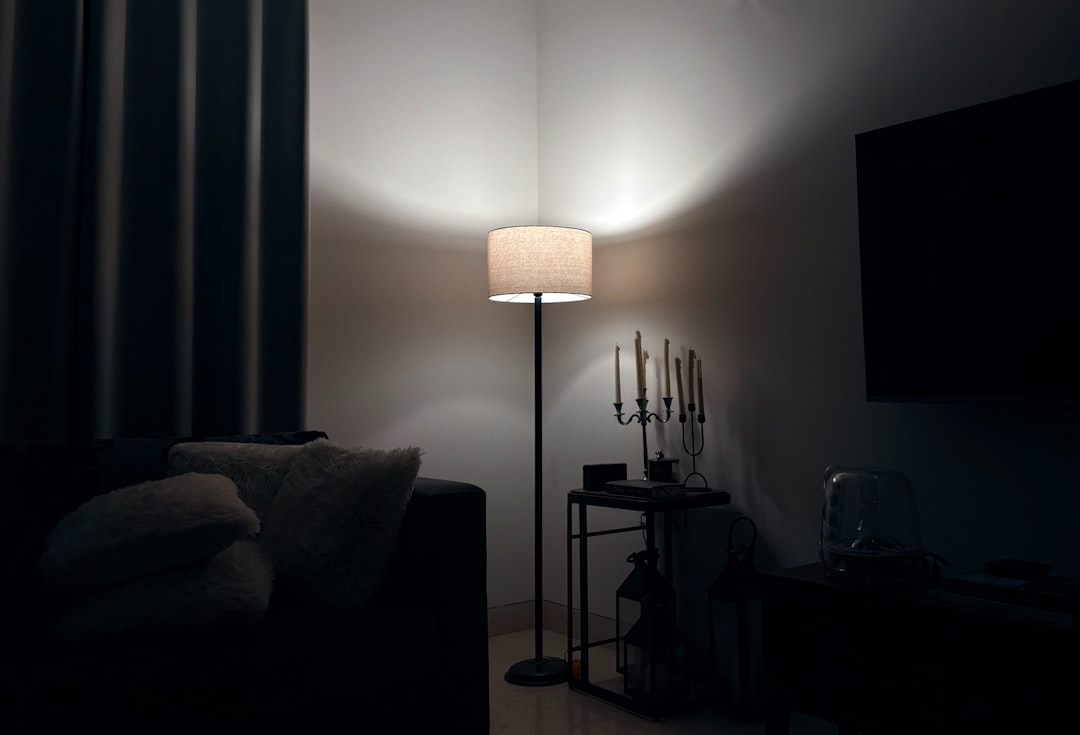
Floor lamps offer ambient or focused lighting, often acting as a visual anchor in a room. Their height and stature allow for significant presence, yet their minimalist design prevents them from dominating a space.
- Variations: Some floor lamps feature reading arms that extend from a central pole, while others have large, diffuse shades providing general illumination.
- Integration with Space: These lamps are often designed to complement the existing furniture, providing a vertical element without visual clutter.
Manufacturing and Material Integrity
The production of Scandinavian steel lamps prioritizes precision and durability, reflecting a commitment to longevity and quality. The choice of steel is not merely aesthetic but also practical.
Steel Grade and Fabrication
Manufacturers typically employ high-quality steel alloys, such as stainless steel or mild steel, chosen for their strength, corrosion resistance, and ductility.
- Precision Stamping: Many components, particularly shades and bases, are produced using precision stamping techniques, ensuring consistent forms and tight tolerances.
- Welding and Assembly: Skilled craftspeople often perform specialized welding to join components, followed by meticulous sanding and finishing to create seamless surfaces.
- Powder Coating: This environmentally friendlier finishing process involves applying a dry powder that is then heated to form a durable, uniform layer. It offers excellent resistance to chipping, scratching, and fading, integral to the lamp’s lasting appearance.
Longevity and Sustainability
The philosophy behind these lamps often extends to their lifecycle. They are designed to last, promoting a form of sustainability through durability.
- Repairability: Many designs are constructed in a modular fashion, allowing for replacement of individual components should they become damaged or worn.
- Timelessness: The classic, unembellished designs are less susceptible to passing trends, ensuring their relevance for decades. This stands in contrast to fast-fashion design cycles.
Impact on Interior Design
The Scandinavian steel lamp has significantly influenced interior design, becoming a staple in various aesthetic contexts beyond its Nordic origins.
Versatility in Application
Its minimalist aesthetic allows it to integrate seamlessly into diverse interior styles, from contemporary and industrial to mid-century modern and even some traditional settings where a clean contrast is desired.
- Harmonizing Element: The understated nature of these lamps allows them to complement rather than compete with other design elements in a room. They can act as a quiet, thoughtful presence.
- Creating Visual Balance: The often slender and linear forms can introduce a sense of verticality and lightness to a space, balancing heavier furniture elements.
The “Quiet Statement”
Unlike highly ornate or flamboyant lighting fixtures, the Scandinavian steel lamp makes a “quiet statement.” Its impact is subtle yet profound, elevating the perceived quality of a space without demanding overt attention. It serves as a reminder that good design does not always shout.
- Understated Luxury: The quality of materials and precision of manufacturing subtly communicate a sense of refinement and considered acquisition.
- Focus on Light Quality: By stripping away extraneous details, the lamp design places the emphasis where it truly belongs: on the quality and direction of the light it produces. This allows the illumination itself to become the primary aesthetic feature.
Influence on Contemporary Design
The principles embodied in Scandinavian steel lamps continue to inform and inspire contemporary lighting designers globally. The emphasis on clean lines, honest materials, and functional efficiency remains a powerful touchstone. Many current designs draw direct inspiration from these historical archetypes, adapting them for modern technological advancements.
Conclusion
The Scandinavian steel lamp represents more than just an object of illumination; it embodies a design philosophy. Its journey from post-war necessity to a cherished icon of minimalist elegance demonstrates the enduring power of considered design. You have seen how its simple forms, judicious use of steel, and unwavering commitment to functionality have cemented its place in design history. By prioritising durability, aesthetic restraint, and effective light delivery, these lamps continue to offer a sophisticated and sustainable approach to illuminating our spaces. They stand as a testament to the idea that true elegance often resides in quiet simplicity, providing a lasting beacon of well-crafted design.