A well-designed home office can contribute significantly to productivity and well-being. One key element often overlooked is lighting, particularly the use of soft sconce light. This article explores the principles and practical applications of incorporating soft sconce lighting to create a cozy and functional home office environment.
Lighting is fundamental to any interior space, influencing mood, perception, and task performance. In a home office, the lighting scheme should balance practical illumination for work with an atmosphere conducive to focus and relaxation.
Understanding Light Types and Their Effects
Different types of light produce varying visual effects. Direct light, such as from a task lamp, is focused and can create harsh shadows. Indirect light, on the other hand, is diffused, bouncing off surfaces to create a softer, more even illumination.
Task Lighting
Task lighting is essential for activities requiring close attention, like reading documents or working on a computer. While important, its intensity and placement must be managed to avoid glare and eye strain that can mimic the discomfort of a single, bare bulb in a dark room.
Ambient Lighting
Ambient lighting provides the general illumination for a space. It sets the overall tone and brightness. In a home office, ambient light should be sufficient to navigate the room comfortably without being overly intense.
The Psychological Impact of Light
The human brain responds to light in complex ways. Natural light is generally considered optimal, influencing circadian rhythms and vitamin D synthesis. Artificial lighting, however, can be designed to mimic some of these beneficial qualities.
Color Temperature
Color temperature, measured in Kelvin (K), describes the perceived warmth or coolness of light. Warm light (around 2700K-3000K) has a yellowish hue, reminiscent of candlelight or incandescent bulbs. Cool light (above 4000K) appears bluer and is often associated with daylight. For a cozy home office, warmer color temperatures are generally preferred.
Light Intensity (Lumen Output)
Lumen output indicates the brightness of a light source. Excessive lumen output can create a sterile or harsh environment, while insufficient light can lead to eye strain and fatigue, making the office feel like a forgotten corner rather than a productive hub.
The Advantages of Soft Sconce Lighting
Wall sconces offer a unique lighting solution for home offices, providing a distinct aesthetic and functional benefits. Their design naturally lends itself to creating soft, diffused light.
Creating an Ambiance of Warmth and Comfort
Sconces, by their nature, direct light upwards, downwards, or both, often through diffusers like shades or frosted glass. This prevents direct glare and creates pools of soft, ambient light that contribute to a welcoming atmosphere. Think of it as a gentle embrace of light, rather than a sharp spotlight.
Diffused Illumination
The shades or globes typically found on sconces act as filters, softening the light source. This diffusion reduces harsh shadows and creates a more uniform light distribution, reducing eye fatigue during extended work sessions.
Layering Light
Sconces function exceptionally well as part of a layered lighting strategy. They can complement overhead lighting or task lamps, filling in darker areas and adding depth and dimension to the room’s illumination.
Space-Saving and Aesthetic Appeal
sconces are mounted directly on the wall, they do not occupy valuable desk or floor space. This is particularly advantageous in smaller home offices where every square inch counts.
Maximizing Workspace
By eliminating the need for floor or desk lamps for general illumination, sconces free up surfaces for work-related items, keeping the primary workspace clutter-free.
Architectural Accent
sconces can serve as decorative elements, adding visual interest and architectural character to the walls. Their design can range from minimalist to ornate, complementing various interior design styles.
Strategic Placement of Wall Sconces
The effectiveness of sconce lighting hinges on thoughtful placement. The intended purpose of the sconces, along with the room’s layout and existing furniture, will dictate optimal positions.
General Ambient Lighting
For overall room illumination, sconces can be placed at regular intervals along the walls to provide a foundational level of light.
Symmetrical Placement
Mounting sconces symmetrically on opposing walls can create a balanced and harmonious lighting effect, promoting a sense of order.
Corner Illumination
Placing sconces in corners can help to eliminate dark pockets and make the room feel larger and more inviting. This is like gently pushing back the shadows that can make a room feel cramped.
Accentuating Architectural Features or Artwork
sconces can be used to highlight specific elements within the home office, drawing attention to features such as bookshelves, artwork, or decorative architectural details.
Uplighting and Downlighting
Adjustable sconces or those with directional shades can be used to cast light upwards onto ceilings or architectural features, or downwards onto specific areas of interest.
Creating Visual Interest
By strategically directing light, sconces can create dynamic visual effects, adding depth and texture to the walls and the room as a whole.
Task-Specific Illumination (with caution)
While primarily for ambient light, certain sconce designs can offer supplemental task lighting, particularly when positioned near a reading nook or a comfortable chair. However, direct, focused task lighting should still be provided by dedicated task lamps.
Over a Desk Area
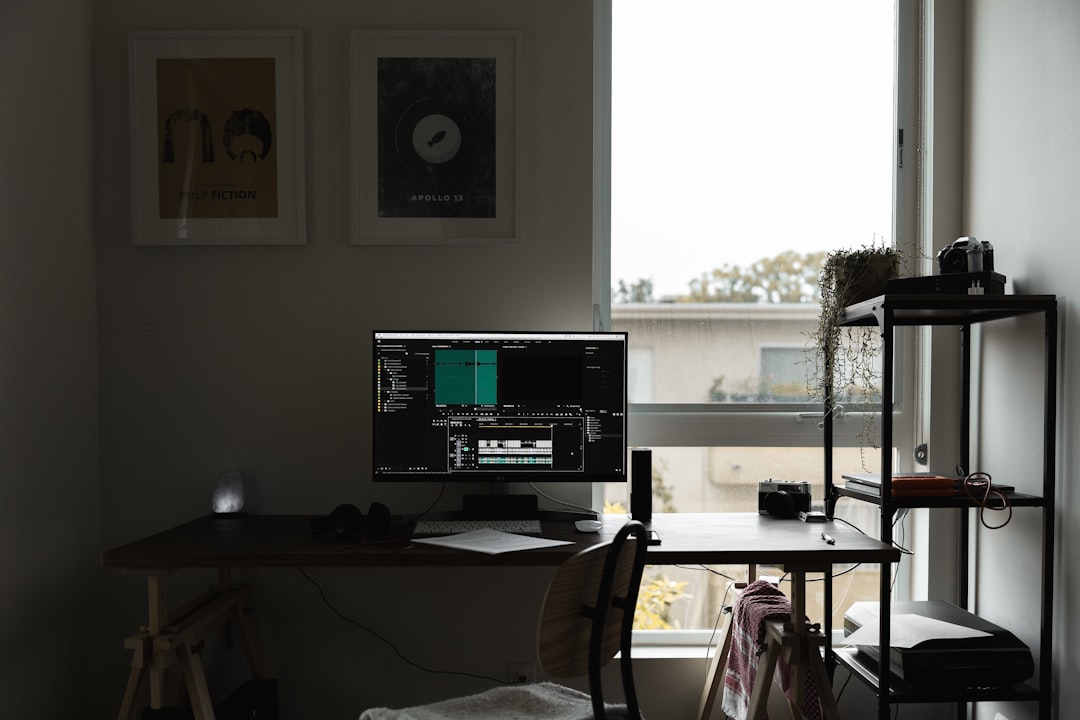
A sconce positioned above and slightly behind a desk can provide a soft, indirect light source for the workspace, reducing the harshness of overhead fixtures.
Near a Reading Chair
For a dedicated reading corner within the office, a sconce can offer comfortable illumination for books and periodicals.
Choosing the Right Sconce Style and Light Source
The selection of sconces and their associated light bulbs is crucial for achieving the desired cozy and functional atmosphere.
Sconce Design and Material
The visual style of the sconce should complement the overall decor of the home office. Materials and finishes can also play a role in how light is reflected and diffused.
Shade Materials
Shades made from fabric, frosted glass, or translucent acrylic will soften the light, creating a diffused glow. Opaque shades with open tops and bottoms will direct light upwards and downwards.
Metal Finishes
Finishes like brushed nickel, antique brass, or oil-rubbed bronze can add warmth and texture to the sconce, influencing the overall aesthetic.
Light Bulb Selection for Sconces
The type of light bulb used in a sconce significantly impacts the quality of light.
LED Technology
LED bulbs are energy-efficient and offer a long lifespan. They are available in a wide range of color temperatures and wattages, allowing for precise control over the light’s warmth and brightness.
Incandescent vs. Halogen
While less energy-efficient, traditional incandescent bulbs and halogen bulbs produce a warm, pleasing light. However, their energy consumption and heat output should be considered.
Dimmable Bulbs
Opting for dimmable bulbs within sconces provides flexibility in controlling light intensity, allowing you to adjust the ambiance throughout the day. This is akin to having a dimmer switch on your mood.
Integrating Sconces into Your Home Office Workflow
The successful integration of sconce lighting into a home office goes beyond mere decoration; it involves understanding how lighting impacts work habits and overall well-being.
Balancing Ambiance and Productivity
The goal is to create a space that is both inviting and conducive to focused work. Soft sconce light contributes to the former, while it should be supplemented with appropriate task lighting for the latter.
Avoiding Glare
Properly positioned sconces with diffused light sources minimize the risk of glare on computer screens or reading materials, which can be a significant disruptor to productivity.
Reducing Eye Strain
The soft, indirect light provided by sconces can help to reduce eye strain, especially during long work periods. The room feels less like a stark interrogation room and more like a comfortable study.
Creating Zones within the Office
In larger home offices, sconces can be used to define different functional zones, such as a reading nook, a relaxation area, or a collaborative space.
Marking Boundaries
By casting pools of light, sconces can subtly delineate areas within the larger space, providing visual cues for different activities.
Enhancing Comfort in Non-Work Areas
In areas designated for breaks or informal meetings, softer sconce lighting can enhance the sense of comfort and relaxation.
Control and Flexibility
The ability to control the lighting is paramount. This includes the placement of light switches and the use of dimmers.
Smart Home Integration
Modern sconces can often be integrated with smart home systems, allowing for remote control, scheduling, and scene setting, offering a high degree of convenience and customization.
Manual Control Options
Even without smart home technology, accessible wall switches and dimmer controls provide essential manual control over the lighting environment.
By carefully considering these aspects, you can effectively utilize soft sconce lighting to transform your home office into a cozy, functional, and inspiring workspace. The gentle illumination provided by sconces can serve as the quiet hum of contentment, supporting your focus and fostering a positive work experience.