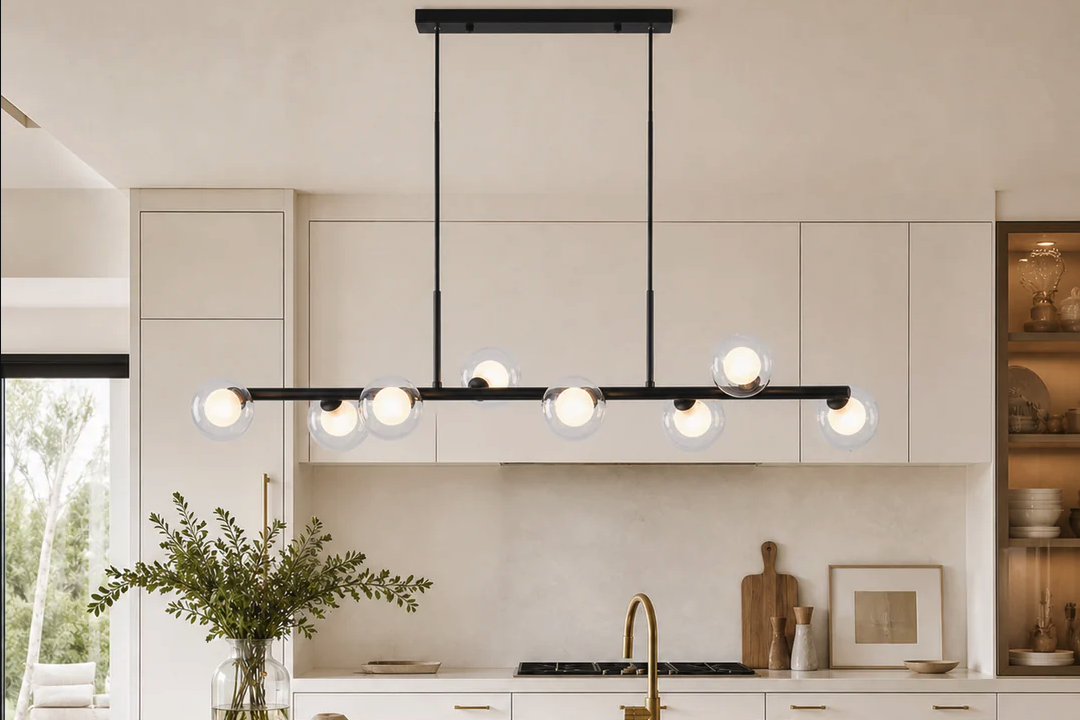
So, what’s all the fuss about minimalist slim linear pendant lights? Simply put, they’re a fantastic choice when you want to add a touch of modern sophistication and highly functional lighting to a space without overwhelming it. Think clean lines, understated elegance, and a surprisingly powerful lighting punch. They’re less about grand chandeliers and more about intelligent, focused illumination that complements contemporary architectural styles.
These aren’t your grandmother’s ornate fixtures. We’re talking sleek profiles, often made from metal, that practically disappear into the ceiling until they’re switched on. They redefine how we perceive light Nanolamps in a room, moving beyond mere decoration to become an integral element of the design.
There’s a clear appeal to this particular style of lighting, and it extends beyond just aesthetics. It’s about creating an atmosphere and improving functionality.
The Aesthetic Advantage
Minimalist design, by its very nature, focuses on essential elements. This translates to pendant lights that are streamlined and uncluttered. They don’t demand attention; rather, they subtly enhance the environment.
Clean Lines and Unobtrusive Design
The beauty of these fixtures lies in their simplicity. They feature narrow, elongated forms that merge seamlessly with modern interiors. This isn’t about chunky, decorative pieces, but rather about a refined presence that supports the overall design narrative. They avoid visual clutter, which is a hallmark of minimalist principles, contributing to a sense of calm and order.
Versatility in Modern Settings
Whether your space leans industrial, Scandinavian, or ultra-contemporary, a slim linear pendant light can comfortably find its place. Their discreet nature means they rarely clash with existing decor. They act as a sophisticated accent rather than a dominant feature, allowing other design elements to shine. This adaptability makes them a safe yet stylish bet for a wide range of renovation and new construction projects.
Contributing to Visual Flow
Because of their elongated shape, these pendants can guide the eye along a space. Hung above a kitchen island, they visually extend the workspace. Over a dining table, they draw attention to the communal eating area. This isn’t just about putting light there; it’s about using light to define and articulate different zones within an open-plan layout.
Functional Benefits That Matter
Beyond how good they look, these lights are seriously practical. They offer illumination exactly where you need it, often with advanced features.
Targeted Illumination
Unlike a single central light, linear pendants distribute light more evenly over a specific area. This is particularly effective for task lighting.
Excellent for Task Lighting
Imagine chopping vegetables on a kitchen island or reviewing blueprints at a conference table. A linear pendant ensures that the entire surface is uniformly lit, reducing shadows and eye strain. This precision is difficult to achieve with traditional, more diffuse lighting solutions. The light source is often spread across the fixture’s length, providing a consistent glow over the designated area.
Reducing Shadows and Glare
By spreading the light source, these pendants inherently minimize harsh shadows. Also, many modern designs incorporate diffusers or are designed with an upward and downward light distribution. This bi-directional or indirect lighting can bounce off the ceiling, creating a softer ambient glow while still providing direct light for tasks, thus reducing direct glare that can be uncomfortable.
Energy Efficiency and Longevity
The vast majority of slim linear pendants today are built around LED technology, which is a major win for both your wallet and the environment.
LED Technology at Its Core
LEDs consume significantly less energy than incandescent or fluorescent bulbs, drastically lowering electricity bills. They also produce less heat, contributing to a cooler indoor environment and potentially reducing AC costs. The ongoing advancements in LED technology mean better color rendering and more customizable light output, making them even more desirable.
Long Lifespan and Low Maintenance
LEDs are renowned for their incredibly long operational life, often spanning tens of thousands of hours. This means fewer bulb changes, which is especially beneficial for high-ceiling installations where maintenance can be inconvenient and costly. Once installed, you can often forget about them for years, aside from occasional cleaning.
Where Do They Shine Brightest?
While versatile, some spaces truly benefit from the specific qualities of these light fixtures.
Kitchen Islands and Dining Tables
This is probably the most common and effective application for linear pendants. They address a specific need for focused light over a prominent surface.
Defining the Space
In open-plan living, kitchen islands and dining tables often serve as focal points. A linear pendant above them helps to visually anchor these areas, creating a distinct “room within a room” feel without the need for physical walls. They draw a gentle boundary, indicating where one communal activity ends and another begins.
Optimal Working and Eating Conditions
Whether you’re prepping a meal, enjoying a family dinner, or having a casual chat over coffee, good lighting is crucial. These pendants provide ample, even light across the entire surface, ensuring everything is clearly visible. For dining, softer, dimmable options can create an intimate atmosphere, while brighter settings are perfect for tasks like homework or crafting.
Office and Commercial Environments
It’s not just homes that benefit. Workplaces, from small home offices to large corporate settings, are increasingly adopting this style for its efficiency and modern aesthetic.
Productive Workspaces
In an office setting, eye strain from poor lighting is a common complaint. Linear pendants, particularly those with good task lighting distribution, can significantly improve visual comfort and productivity. They provide even illumination across desks and work surfaces, reducing glare on computer screens and ensuring documents are clearly readable.
Modern and Professional Appeal
Flimsy, dated lighting can detract from a professional image. Sleek linear pendants instantly upgrade the perception of a workspace, conveying a sense of modern efficiency and forward-thinking design. They contribute to a clean, uncluttered aesthetic that is highly valued in contemporary business environments. This can be particularly important in client-facing areas like conference rooms or reception zones.
Hallways and Corridors
Often overlooked, these transit areas can also benefit from smart lighting choices. Linear pendants can transform them from mere passageways into integral parts of a home’s design.
Guiding and Illuminating Pathways
Long hallways can feel dark and uninviting with just a few scattered downlights. A series of slim linear pendants, spaced appropriately, can create a continuous line of light that naturally draws the eye down the corridor. This helps with wayfinding and makes the space feel more intentional and less like an afterthought.
Enhancing Architectural Features
If your hallway has interesting architectural elements like exposed beams, textured walls, or built-in shelving, a linear pendant can beautifully highlight these features. The directional light can skim across surfaces, emphasizing textures and forms that might otherwise be lost in shadow. It turns a functional space into an opportunity for subtle visual interest.
Choosing Your Perfect Pendant
With so many options out there, how do you pick the right one? It comes down to a few key considerations.
Size and Proportion
This is crucial. Too small, and it looks lost; too big, and it dominates the space.
Matching the Space Dimensions
For a kitchen island, the pendant should typically be about two-thirds to three-quarters the length of the island. This ensures even coverage without a cramped look. In a long, narrow hallway, multiple shorter pendants or one very long one can work, depending on the ceiling height and desired effect. Always measure your space carefully before making a selection.
Ceiling Height Considerations
A very long pendant in a low-ceilinged room will be overbearing and potentially create an obstruction. Conversely, a short pendant in a very high-ceilinged room will look insignificant. Adjust the suspension length to ensure the fixture hangs at an appropriate height, usually 30-36 inches above a dining table or island, or higher in transit areas. Some pendants offer adjustable cables, providing flexibility during installation.
Materials and Finishes
These choices impact the overall aesthetic and how the light interacts with the room.
Metal Finishes (Black, White, Brass, Nickel)
Matte black is incredibly popular for its contemporary, sophisticated edge. White blends seamlessly with ceilings for a truly minimalist, almost invisible look. Brushed brass or gold tones add a touch of warmth and luxury, perfect for interiors with a slightly richer palette, while brushed nickel or chrome offers a cool, industrial, or modern feel. The finish should complement other metallic elements in the room, such as faucet hardware or door handles.
Diffuser Types
The diffuser is the part that covers the light source and spreads the light. Acrylic or frosted glass diffusers provide a softer, more even glow, reducing harsh spots. Some designs feature open bottom profiles for more direct downlight, while others might have upward-facing LEDs to provide indirect ambient light reflecting off the ceiling, creating a layered lighting effect. Consider the primary function of the light when choosing the diffuser type.
Light Temperature and Brightness
The quality of light profoundly affects mood and functionality.
Warm White vs. Cool White
Light temperature is measured in Kelvin (K). Warm white (2700K-3000K) replicates the glow of incandescent bulbs, creating a cozy and inviting atmosphere, ideal for dining areas or living spaces. Cool white (4000K-5000K) is brighter and more stimulating, excellent for task-oriented areas like kitchens, offices, or workshops where clarity is paramount. There are also neutral white options (around 3500K) that offer a good balance.
Dimmability and Control Options
Almost all modern minimalist linear pendants with integrated LEDs are dimmable. This is a crucial feature, allowing you to adjust the brightness to suit different activities and moods. Some advanced systems offer tunable white LEDs, letting you shift between warm and cool temperatures. Look for compatibility with smart home systems, allowing voice control or app-based adjustments, adding a layer of convenience and sophistication.
Installation and Maintenance Tips
Even seemingly simple fixtures have best practices for optimal performance and longevity.
Professional Installation is Key
While some DIY enthusiasts might tackle smaller fixtures, linear pendants, especially longer ones, often benefit from professional installation.
Ensuring Secure Mounting
Linear pendants can be heavier and longer than typical fixtures, requiring robust mounting hardware and proper support within the ceiling. An electrician will ensure the junction box can handle the weight and that the fixture is securely anchored, preventing any wobbling or potential hazards. They also verify proper wiring connections to prevent electrical issues.
Correct Wiring and Dimmer Compatibility
A professional electrician will ensure that the fixture is correctly wired to your home’s electrical system, adhering to safety codes. They can also correctly install or verify compatibility with dimmers, ensuring smooth dimming without flickering or buzzing, which can be an issue with some LED and dimmer combinations. They possess the expertise to troubleshoot any electrical challenges that may arise during installation.
Keeping Your Pendant Pristine
Minimalist doesn’t mean maintenance-free, but it’s usually quite straightforward.
Regular Dusting
The sleek surfaces of these pendants can accumulate dust quite easily. A soft, dry microfiber cloth is usually sufficient for regular dusting. For more stubborn grime or fingerprints, a slightly damp cloth with mild soap can be used, followed by a dry cloth to prevent water spots. Always ensure the light fixture is off and cool when cleaning.
Checking Connections and Bulbs (if applicable)
While integrated LEDs have a long lifespan, it’s a good practice to occasionally check for loose connections, especially if you notice any flickering or inconsistent light output. If your fixture uses replaceable LED tubes or bulbs, ensure they are securely seated. For integrated LED fixtures, usually, the entire unit needs to be replaced if the LEDs fail, though this is rare given their longevity. Always consult the manufacturer’s guidelines for specific cleaning and maintenance recommendations.
Minimalist slim linear pendant lights are more than just a passing trend; they are a sophisticated and highly functional lighting solution that aligns perfectly with modern design sensibilities. By understanding their benefits and how to choose the right one, you can effectively transform your space with light, adding a touch of contemporary elegance that is both practical and visually appealing.