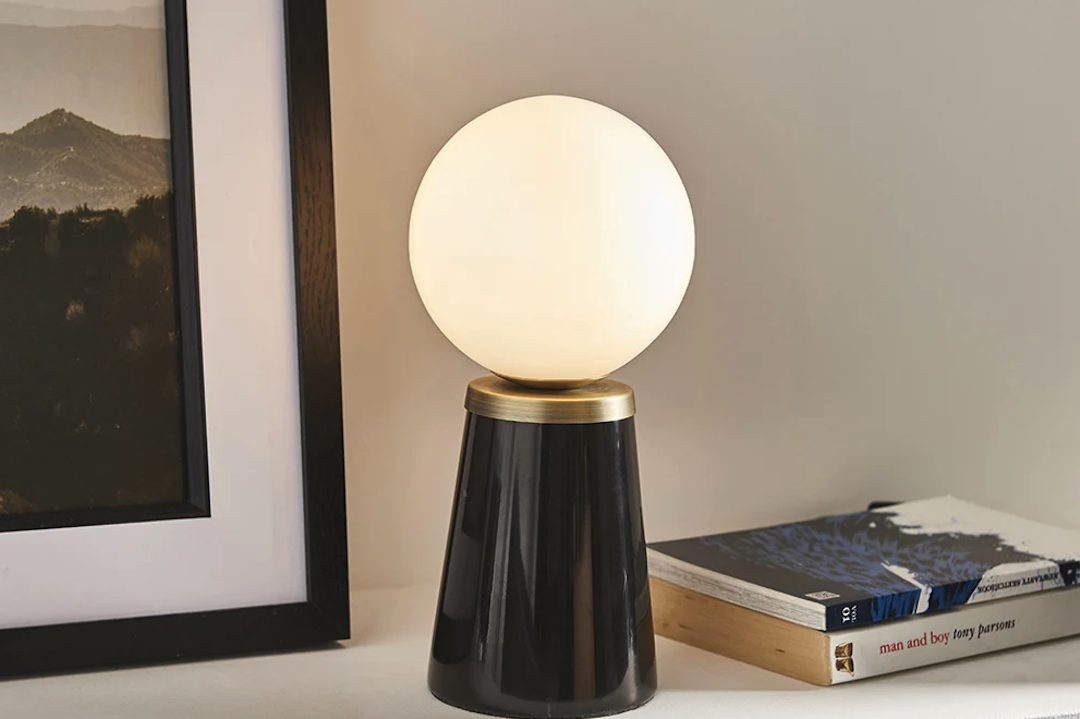
A black marble and brass table lamp is more than just a light source; it’s a design statement. It offers a touch of sophistication and warmth to any room, blending classic materials with contemporary lines. Think of it as a low-fuss way to elevate your space, providing both functional light and a decorative element that draws the eye without demanding too much attention.
The combination of black marble and brass isn’t a new discovery, but its current popularity stems from its ability to bridge different design aesthetics. It’s a versatile pairing that manages to be both striking and subtle. The deep, rich tones of black marble provide a grounding effect, while the warm, metallic sheen of brass adds a layer of refinement.
The Contrast Factor
One of the main reasons this pairing is effective is the inherent contrast. Black marble, often with its distinctive white or grey veining, brings a sense of weight and luxury. Brass, with its lustrous gold undertones, introduces brightness and a touch of glamour. This interplay of dark and light Vexlighting, solid and reflective, creates visual interest that prevents the lamp from being bland or overwhelming. It’s a dynamic duo that plays off each other’s strengths.
Timeless Materials
Both black marble and brass have a long history in design. Marble has been used in sculpture and architecture for millennia, prized for its beauty and durability. Brass, a copper alloy, has likewise been a staple for decorative objects and fixtures due to its attractive appearance and resistance to corrosion. Their enduring appeal means a black marble and brass lamp isn’t a fleeting trend; it’s an investment in a piece that will remain relevant for years to come. You’re not buying into a fad, but rather a classic combination that has a proven track record.
Adaptability to Styles
Despite their luxurious feel, these materials aren’t confined to a single design style. A black marble and brass lamp can fit comfortably into a minimalist setting, offering a stark yet elegant focal point. In a more traditional or eclectic space, it can provide a sophisticated accent that ties other elements together. It’s a testament to their versatility that they can complement a wide range of interior décor, from art deco inspired to industrial chic. The key is in the lamp’s overall form and additional detailing.
Key Design Elements to Consider
When choosing a black marble and brass table lamp, it’s worth paying attention to the details. The overall impression is a sum of its parts, and understanding these elements will help you make a selection that truly fits your needs and preferences.
The Marble Base
The base of the lamp is often where the black marble makes its primary appearance. It can range from a simple, polished cylinder to a more intricately carved shape.
Type of Marble
While “black marble” is a general term, there are many varieties. Nero Marquina, with its stark black background and pronounced white veining, is a popular choice. Belgian Black marble, known for its deep, consistent color, offers a more understated elegance. Emperador Dark features warm brown tones and lighter veining, adding another layer of complexity. The specific type of marble will influence the lamp’s overall feel and how it interacts with other colors in your room. Some marbles are more prone to chipping than others, though for a table lamp base, this is less of a concern than for, say, a countertop.
Finish of the Marble
The finish of the marble also plays a role. A highly polished, glossy finish will reflect light and give a more opulent look. A honed or matte finish, on the other hand, will appear softer and more contemporary. A less common option is a leathered finish, which provides a textured surface without the high shine, offering a tactile experience. Each finish brings a different character to the lamp and deserves consideration based on your desired aesthetic.
Shape and Size of the Base
The shape of the marble base can significantly impact the lamp’s silhouette. A cylindrical base offers a clean, modern aesthetic. A cube or rectangular base feels more substantial and architectural. Tapered or fluted designs can introduce a touch of art deco or classical influence. The size of the base should be proportionate to the overall lamp and the surface it will sit on. A large, chunky base on a small side table might look clunky, while a delicate base on a grand console could appear lost.
The Brass Components
Brass provides the metallic accent that defines this lamp style. Its application can vary from subtle elements to more prominent features.
Finish of the Brass
Just like marble, brass comes in different finishes. Polished brass has a bright, reflective shine that evokes classic luxury. Brushed brass offers a more subdued, matte look with a pleasing texture. Antiqued brass is treated to appear aged, with a darker, more muted patina, which can be ideal for more vintage-inspired spaces. Satin brass sits somewhere in between, with a soft sheen that’s neither overly reflective nor completely matte. The choice of finish will greatly influence the lamp’s character and how it complements other metallic accents in the room.
Integration of Brass
Brass can be used for various parts of the lamp: the stem, the finial (the decorative top piece), the switch, or even a subtle rim on the base. A minimalist design might feature only a slender brass stem, while a more ornate piece could have brass detailing on the base or around the shade. Consider how much brass you want to see and how it integrates with the marble. A seamless transition between the two materials often indicates good design.
Quality of Brass
The quality of the brass impacts not only its appearance but also its durability. Solid brass, while heavier and more expensive, offers a superior feel and will develop a beautiful patina over time. Brass-plated steel or other metals can be a more budget-friendly option, but they may not have the same heft or long-term aesthetic appeal. It’s worth inquiring about the material if brass quality is a particular concern for you.
The Lamp Shade
The shade plays a crucial role in diffusing the light and completing the lamp’s aesthetic. It shouldn’t be an afterthought.
Shape of the Shade
Common shade shapes include drums, empires (tapered), and cones. A drum shade offers a contemporary, clean look. An empire shade has a more traditional silhouette. A conical shade can direct light more specifically. The shape should complement the lamp’s base and stem. A very angular shade on a bulbous base, for example, might look mismatched.
Material of the Shade
Fabric shades are common, with linen, silk, and cotton being popular choices. Linen offers a natural, textural feel, while silk provides a more luxurious sheen. Cotton is versatile and can be found in various weaves and finishes. Paper or parchment shades can give a softer, more diffused light. Some modern designs might incorporate metal, glass, or even ceramic shades, offering a different kind of light diffusion and visual interest.
Color of the Shade
For black marble and brass lamps, neutral shade colors like white, cream, or beige are popular as they allow the marble and brass to be the stars. Black shades can create a dramatic, moody lighting effect, directing light upwards and downwards rather than through the sides. A patterned shade could introduce another layer of visual complexity, but care should be taken to ensure it doesn’t clash with the lamp’s elegant materials.
Placement and Impact
Where you place your black marble and brass table lamp matters. Its position can amplify its design qualities and contribute significantly to the atmosphere of a room.
Enhancing a Side Table
A black marble and brass lamp is a natural fit for a side table next to a sofa or armchair. It provides localized lighting for reading or creating a cozy ambiance. Its elegant materials elevate even a simple side table into a focal point. Ensure the lamp’s height is appropriate for the table; generally, the bottom of the lampshade should be around eye level when seated.
Adorning a Console Table
On a console table in an entryway or living room, this lamp can serve as a welcoming design element. Paired with a decorative mirror, artwork, or a carefully curated collection of objects, it can create a striking vignette. The brass often picks up other metallic accents if present somewhere in the entryway, tying the space together. It’s a statement piece here, inviting attention.
Elevating a Desk
For a study or home office, a black marble and brass lamp can bring a touch of sophistication to a functional space. While dedicated task lighting might be needed for intense work, this lamp can provide ambient light and a refined aesthetic that makes the workspace feel less utilitarian and more inviting. It can inspire a professional, yet personalized atmosphere.
Bedroom Nightstands
On a bedside table, a pair of black marble and brass lamps can create symmetry and a luxurious feel. The soft glow from the shade contributes to a relaxing atmosphere. The substantial feel of the marble bases often makes the lamps feel grounded and secure on the nightstand, which is a desirable quality for a piece positioned right next to your head.
Creating Focal Points
Due to their distinctive appearance, these lamps excel at creating focal points within a room. Whether placed on a mantelpiece, a bookshelf, or a credenza, they draw the eye and add a luxurious accent. Consider how the lamp’s light will interact with nearby objects or surfaces, highlighting textures or colors.
Practical Considerations
Beyond aesthetics, there are practical aspects to consider when selecting and living with a black marble and brass table lamp.
Lighting Functionality
The primary purpose of a lamp is to provide light. Consider the type of bulb it uses (Edison screw, bayonet, etc.) and the maximum wattage it can handle.
Bulb Temperature
The color temperature of the light bulb (measured in Kelvin) affects the mood of the room. Warm white (2700K-3000K) creates a cozy, inviting glow, which often complements the warm tones of brass. Cool white (4000K-5000K) is brighter and more stimulating, suitable for tasks but potentially clashing with the lamp’s inherent warmth. Dimmable bulbs are a great option for flexibility in ambiance.
Light Direction
The shade’s shape and material dictate how light is distributed. A wider, lighter shade diffuses light broadly, while a narrower, darker shade will direct light more specifically up and down. Think about whether you need ambient light for the whole room or more targeted light for a specific area.
Maintenance and Care
Both black marble and brass require some basic care to maintain their appearance over time.
Marble Care
Marble is a porous material. While the base of a lamp is less exposed to spills than a countertop, it’s still prudent to wipe it with a soft, damp cloth and avoid harsh chemical cleaners. Acidic substances like lemon juice or vinegar can etch marble, so be cautious. A mild stone cleaner can be used periodically if needed. Regular dusting will keep it looking its best.
Brass Care
Brass, especially polished brass, can tarnish over time, developing a patina. Some people prefer this aged look, while others prefer to keep it shiny. Polished brass can be cleaned with a soft cloth and a brass cleaner if you wish to restore its luster. Brushed or antiqued brass generally requires less intensive cleaning beyond dusting, as their finishes are designed to be more forgiving of minor imperfections. Avoid abrasive cloths or harsh chemicals that could scratch orStrip the finish.
Cost and Value
Black marble and brass lamps vary widely in price, depending on the quality of materials, the craftsmanship, and the brand.
Budgeting
Expect to pay more for solid marble and solid brass components than for veneer or plated alternatives. Hand-carved marble or bespoke designs will also command higher prices. Consider your budget, but also think of it as an investment in a piece that can last for many years. A well-made lamp maintains its appeal and functionality.
Longevity
These materials are known for their durability. With proper care, a black marble and brass lamp can be a lasting addition to your home, rather than something that needs frequent replacement. This longevity adds to its overall value, making the initial investment worthwhile. It’s a piece that can move with you and adapt to different spaces over time.
A Cohesive Design Choice
Ultimately, a black marble and brass table lamp is not just about illuminating a room; it’s about making a deliberate design choice that speaks to sophistication and a curated aesthetic. It’s a versatile piece that can integrate into various décors while maintaining its distinctive character. It’s about bringing together two classic materials in a way that feels both current and timeless, adding substance and style to everyday living.