You’re curious about those beautiful stained glass table lamps, the ones that whisper of a bygone era – the Victorian charm of a stained glass Tiffany lamp. So, what exactly is a Tiffany-style stained glass table lamp?
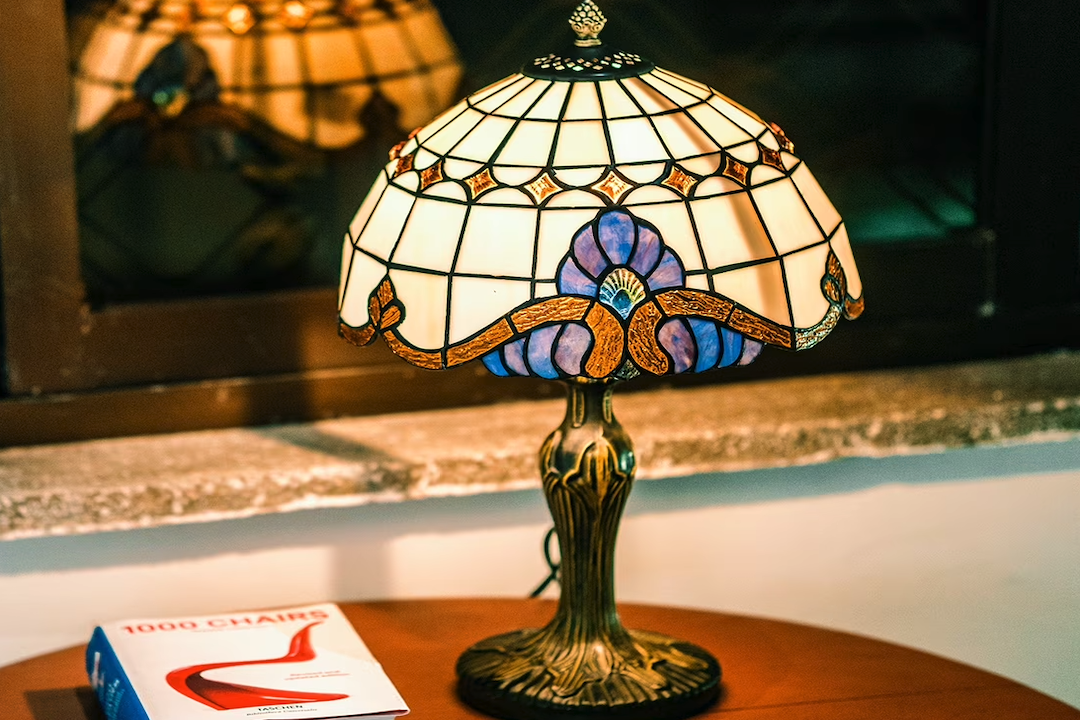
At its core, it’s a lighting fixture that recreates the aesthetic and craft found in the original lamps designed by Louis Comfort Tiffany and his studio in the late 19th and early 20th centuries. These aren’t necessarily made by Tiffany himself (those are incredibly rare and valuable antiques), but rather lamps Tomosshop inspired by his iconic designs and techniques. They feature hand-assembled stained glass shades, often with intricate patterns depicting floral motifs, natural scenes, or geometric designs, all supported by a decorative metal base. They aim to bring that distinctive Victorian elegance into your home.
When we say “Tiffany lamp,” it’s helpful to understand what that really means in this context. It’s not just about the glass; it’s about a whole approach to design and craftsmanship.
The Tiffany Technique: More Than Just Pretty Glass
The actual Tiffany technique, perfected by Louis Comfort Tiffany, involves using small pieces of colored glass, often irregular in shape, that are cut with precision. These pieces are then wrapped around the edges with thin strips of copper foil.
The Art of Copper Foil
This copper foil method is crucial. Unlike older methods that used lead came (strips of lead) to hold pieces of glass together, the copper foil technique allowed for much finer details and more complex designs. Once the glass pieces are arranged and foiled, they are meticulously soldered together, creating a strong and visually seamless panel. This is what gives Tiffany lamps their characteristic look – a mosaic of glass held together with dark, precise lines.
Beyond the Foil: The Glass Itself
The magic truly lies in the glass Tiffany used. He wasn’t just buying off-the-shelf colored glass. His studio developed a vast array of glass types, each with unique textures and opacities.
Iridescent and Streaky Glasses
You’ll often see glasses with an iridescent sheen, giving them a shimmering, almost ethereal quality that changes with the light. He also pioneered the use of “streaky” glass, where colors blend and swirl within a single piece, adding depth and natural variation to patterns. This wasn’t just about color; it was about how light interacted with the material.
Opalescent Glass
Another key innovation was opalescent glass. This type of glass is semi-opaque, allowing light to diffuse beautifully without becoming completely obscured. It provided a softer, more painterly effect than clear or heavily colored glass.
Recreating the Legacy: Modern Tiffany-Style Lamps
Today, when you buy a Tiffany-style lamp, you’re purchasing an item that emulates these original techniques and design principles. While the scale of production is different and the original studio’s dedication to developing new glass types might not be replicated exactly, the commitment to handcrafted assembly and iconic designs is what defines the “Tiffany-style.”
The Allure of Victorian Charm
So, what is it about these lamps that evokes “Victorian charm”? It’s a combination of their aesthetic, their craftsmanship, and the era they harken back to.
A Reflection of an Era
The Victorian era (roughly 1837-1901) was a time of great change, industrial advancement, and a burgeoning interest in arts and crafts. Wealth increased for some, and with it came a desire for ornate and decorative home furnishings.
Ornamentation and Detail
Victorian décor often favored elaborate patterns, rich colors, and a sense of opulence. Stained glass, with its inherent beauty and the ability to create intricate designs, fit perfectly into this decorative landscape. Tiffany lamps, with their floral motifs, natural imagery, and detailed craftsmanship, became a hallmark of this aesthetic.
The Rise of Domesticity
The Victorian era also saw a greater emphasis on the home as a sanctuary. Interior spaces were designed to be comfortable and inviting, often filled with objects d’art that reflected the owner’s taste and status. A beautiful stained glass lamp wasn’t just a light source; it was a conversation piece and a decorative centerpiece.
Beyond the Aesthetic: Symbolism and Meaning
The imagery often found in Tiffany-style lamps can also carry symbolic weight, contributing to their perceived charm.
Nature as Inspiration
Many designs feature flowers, insects, dragonflies, and landscapes. In the Victorian era, nature held strong symbolic meaning, representing beauty, fragility, growth, and the divine.
The Dragonflies and Lilies
Iconic motifs like dragonflies often symbolized transformation and adaptability, while lilies represented purity and devotion. These subtle meanings add another layer to the lamp’s appeal.
Design Elements to Look For
When you’re browsing for a Tiffany-style stained glass table lamp, there are specific elements that contribute to its overall look and feel. Understanding these can help you find one that truly resonates with your taste.
The Shade: The Heart of the Lamp
The shade is undoubtedly the most striking feature. Its shape, size, and the pattern of the glass are paramount.
Common Shade Shapes
You’ll frequently encounter dome-shaped shades, which are classic for Tiffany lamps. Other popular shapes include shallower, wider shades that cast a broader light, often referred to as “bowl” or “panel” shades. Rectangular shades also appear, particularly in more geometric designs.
The Scale of the Lamp
Consider the size of the shade in relation to the base and where you plan to place it. A large, elaborate shade might overwhelm a small side table, while a daintier shade might get lost on a substantial desk.
The Pattern and Color Palette
This is where the “charm” really comes into play. The way the glass pieces are arranged and the colors chosen are critical.
Floral and Nature Motifs
As mentioned, flowers (roses, irients, tulips) and natural elements (leaves, vines, dragonflies, butterflies) are ubiquitous. These designs often feel organic and flowing, mimicking the natural world.
The Art of the Floral Arrangement
Look at how the glass pieces are cut and assembled to create the curves of petals or the delicacy of wings. The interplay of different glass textures and opacities within a single floral element is a sign of good design.
Geometric and Art Nouveau Styles
While floral patterns are perhaps the most common, Tiffany-style lamps also embrace geometric designs, often with strong, clean lines and repeating patterns. The Art Nouveau movement, which overlapped with Tiffany’s peak, heavily influenced his work, so you’ll see flowing, curvilinear forms that are evocative of nature but stylized.
The Power of Symmetry and Asymmetry
Some designs are perfectly symmetrical, offering a sense of balance and order. Others are asymmetrical, creating a more dynamic and visually interesting composition.
The Base: The Foundation of Elegance
The base of a Tiffany-style lamp is more than just a support; it’s an integral part of the overall design, often mirroring the decorative style of the shade.
Material and Finish
Bases are typically made from metal, often brass, bronze, or a similar alloy. The finish can vary widely, from antique bronze and dark brass to polished gold or even patinas that mimic aged metals.
Decorative Elements
You’ll find bases with intricate detailing, such as sculpted leaves, scrolling vines, or even stylized animal forms. The goal is usually to complement, rather than compete with, the stained glass shade.
Sculptural Bases
Some bases are quite sculptural, with elaborate carvings and raised patterns. These can add significant visual weight and artistry to the lamp.
The Practicality of Tiffany-Style Lamps Today
While they evoke a rich history, these lamps are also very much suited to modern living. They offer both beauty and function.
Lighting Quality and Ambiance
The way a Tiffany-style lamp illuminates a room is one of its key selling points.
Diffused and Warm Light
The stained glass, especially when combined with an opalescent or iridescent quality, diffuses light beautifully. This creates a warm, inviting, and often softer ambiance than a bare bulb or a plain lampshade.
Creating Cozy Corners
These lamps are perfect for creating cozy reading nooks or adding a touch of warmth to a living room or bedroom. The glow from the colored glass can be incredibly soothing.
Task Lighting vs. Ambient Lighting
While some larger Tiffany-style lamps can provide decent task lighting, they are generally more geared towards creating ambient light – a pleasant, overall illumination of the space.
Versatility in Placement
Despite their historical roots, these lamps can fit into a surprisingly wide range of interior design styles.
Beyond the Victorian Living Room
While they undoubtedly shine in rooms with traditional or Victorian-inspired décor, they can also add a splash of color and artistic flair to more contemporary settings. A bold floral Tiffany lamp can be a stunning accent piece in a minimalist or even a bohemian-chic room.
Functional Art for Various Spaces
They work well as bedside lamps, offering a softer glow than harsh overhead lights. They are also a popular choice for entryways, side tables in living rooms, or even on desks as a more aesthetically pleasing option than standard desk lamps.
Maintenance and Care
Keeping your Tiffany-style stained glass lamp looking its best is relatively straightforward, but a few key practices will help.
Cleaning the Glass
The most important aspect of care is cleaning the stained glass shade.
Gentle Dusting
For regular maintenance, a soft, dry microfiber cloth is your best friend. Gently dust the glass segments to remove any accumulated dust.
Dealing with Grime
If the glass becomes a bit grimy or develops a film (especially from airborne grease in kitchens or smoke), you can use a damp cloth with a very mild solution of water and a tiny drop of dish soap. Crucially, ensure the cloth is only slightly damp, not wet. Water should not be allowed to seep into the solder lines.
Avoiding Harsh Chemicals
Never use abrasive cleaners, ammonia-based products, or harsh chemicals on the glass or the metal base. These can damage the glass, fade the colors, or tarnish the metal.
Caring for the Base
The metal base also requires attention, depending on its material and finish.
Polishing and Protection
For brass or bronze finishes, you might occasionally use a metal polish specifically designed for that material. Again, test any polish in an inconspicuous area first. Protecting the finish from moisture is key.
Re-soldering (Rarely Needed)
In older or heavily used lamps, you might occasionally find a small piece of glass that has come loose, or a solder line that has cracked. This is usually a repair that can be done by a local stained glass artisan or a skilled handyman. It’s not a common issue with well-made lamps but is worth knowing about.
Where to Find Them and What to Expect
Whether you’re hunting for an antique gem or a modern interpretation, knowing where to look and what to consider can make the process smoother.
Modern Reproductions: A Wide Spectrum
The market for Tiffany-style lamps is vast, ranging from affordable, mass-produced pieces to higher-end, handcrafted reproductions.
Mass-Produced Options
Many retailers offer entry-level Tiffany-style lamps. These are typically more budget-friendly but may use simpler glass types and less intricate construction. They are still beautiful decorative items and can be a great way to introduce the style.
Artisan Creations
If you’re looking for something closer to the original craftsmanship, you can find lamps made by individual artisans or smaller studios. These often use higher-quality glass and more detailed construction, and will naturally come with a higher price tag. Online marketplaces and specialized lighting stores are good places to start exploring.
Antiques: The Real Deal
Original Tiffany lamps are museum pieces. Finding one for sale is incredibly rare and typically involves auctions, high-end antique dealers, or specialized collectible markets.
Authentication and Value
If you’re considering an antique, authentication is paramount. Genuine Tiffany lamps command extremely high prices, and provenance is essential.
The Joy of the Hunt
For most people, the “Victorian Charm: Stained Glass Tiffany Table Lamp” refers to the beautiful, handcrafted reproductions that allow us to enjoy a piece of this iconic design legacy in our own homes. They are a testament to the enduring appeal of beautiful craftsmanship and timeless artistry.