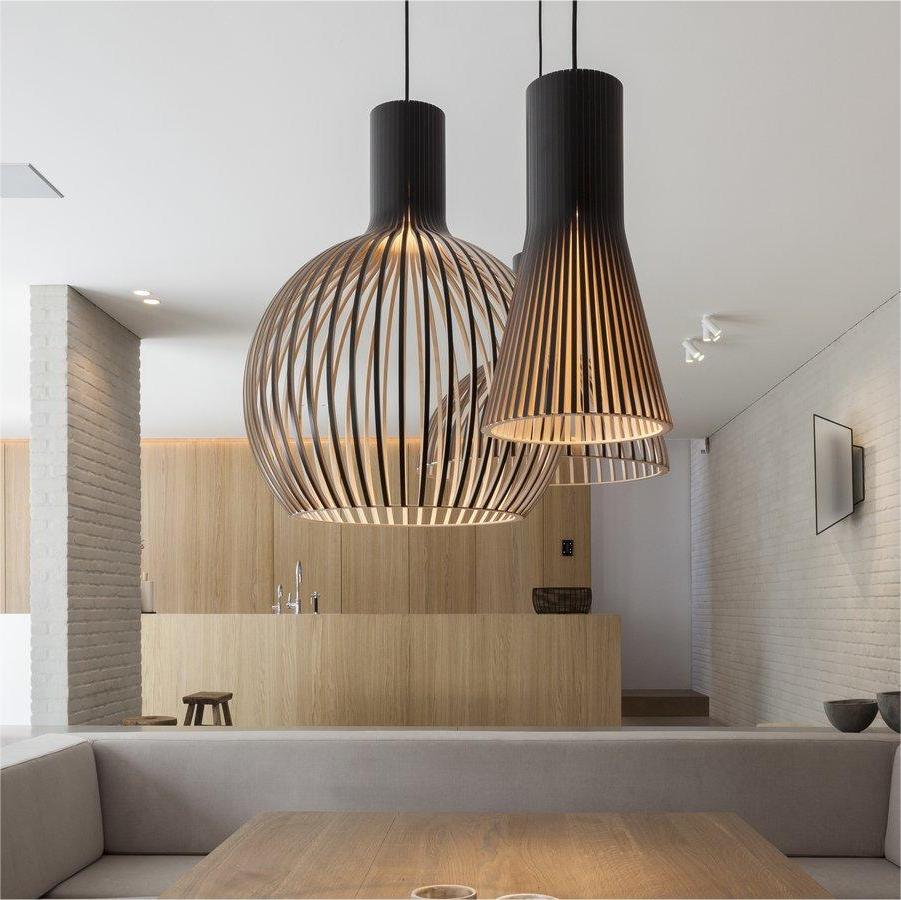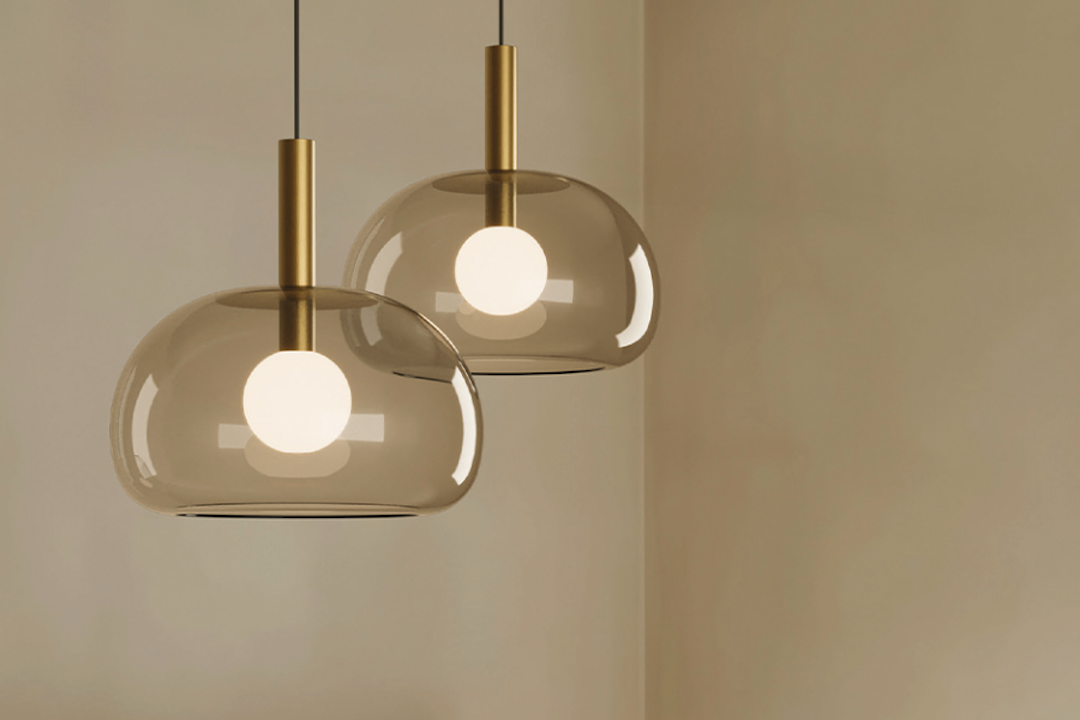
So, you’re probably wondering what exactly “contemporary organic cloud pendant lighting” is and if it’s right for your home. In a nutshell, it’s lighting that mimics the soft, diffused, and often irregular forms found in nature, like clouds, flowing water, or even delicate petals, all presented with a modern design sensibility. Think gentle curves, natural materials, and a light that feels soft and inviting, rather than stark. It’s about bringing a bit of the outside in, in a visually pleasing and functional way. This style is gaining traction because it offers a welcome departure from rigid geometric shapes, bringing a sense of calm and artistry to a room.
When we talk about contemporary organic cloud pendant lighting Zomier, we’re not just throwing around fancy words. There are some key characteristics that set this trend apart. It’s really about a feeling and a look that’s instantly recognizable once you see it.
The “Organic” Element: Nature’s Blueprint
The core of this lighting style lies in its inspiration from the natural world. This isn’t about literal imitations of tree branches, but rather abstract interpretations of natural forms and textures that evoke a sense of ease and flow.
Flowing Silhouettes and Soft Edges
Forget sharp angles and perfectly straight lines. Organic designs embrace curves, undulations, and a general lack of harshness. Think of the way a cloud drifts across the sky, or the subtle ripple of water. Lights in this style often feature rounded edges, asymmetrical shapes, and a gentle, upward or downward drift in their form. This visual softness is intended to create a more relaxed and inviting atmosphere.
Natural Materials and Textures
Materials play a huge role in achieving the organic feel. You’ll frequently see designers incorporating natural elements like:
- Wood: Often in lighter woods like ash, birch, or oak, used sculpturally or in textured veneers. It’s about bringing warmth and a tactile quality.
- Woven Fibers: Rattan, bamboo, jute, and linen offer a natural texture and a slightly diffused light. These materials often lend themselves to more rounded, basket-like or layered forms.
- Ceramics and Plaster: These can be molded into unique, organic shapes, mimicking the smooth but irregular surfaces found in nature, like river stones or carved rock formations.
- Recycled Materials: Increasingly, designers are using recycled paper, felt, or even bio-plastics that mimic natural textures, aligning with a more sustainable approach to design.
Colors Inspired by the Earth
The color palette for organic lighting tends towards muted, earthy tones.
Think soft whites, creams, beiges, warm grays, and subtle greens or blues that echo natural landscapes. This isn’t to say bolder colors are completely excluded, but they are often used in a less saturated, more sophisticated way, to complement the overall organic feel.
The “Contemporary” Aspect: Modern Design Principles
While inspired by nature, these fixtures are decidedly modern. This means they are designed with current aesthetics, functionality, and often, technological advancements in mind.
Clean Lines, Modern Sensibility
Even with their organic shapes, these lights maintain a clean and uncluttered aesthetic. The focus is on the form itself and the quality of light it produces, rather than on ornate details or excessive ornamentation. The design is sophisticated and understated.
Functional Artistry
Contemporary organic pendants are often designed to be a focal point, a piece of functional art. They enhance the visual appeal of a space while also providing essential illumination. The integration of form and function is paramount.
Innovative Manufacturing Techniques
Modern technology allows designers to create complex organic shapes with precision, often using materials that might have been challenging to manipulate in the past. This could include advanced molding techniques for plastics or resins, precise laser cutting for wood veneers, or sophisticated 3D printing.
Where Do These Lights Fit Best?
The beauty of contemporary organic cloud pendant lighting is its versatility. It’s not confined to a single room or decorating style. Its adaptable nature makes it a great choice for a variety of spaces, bringing a touch of serenity and visual interest wherever it’s placed.
Living Rooms: Creating a Calm Oasis
In a living room, these pendants can serve as a soft focal point, drawing the eye without being overwhelming.
Ambient and Accent Lighting
Imagine a softly diffused light falling from an organic pendant above your coffee table or a conversational grouping of furniture. It creates an inviting glow that’s perfect for relaxing, entertaining, or simply enjoying a quiet evening. It complements rather than competes with other decor elements.
Enhancing a Serene Atmosphere
For those who prefer a minimalist or Scandinavian-inspired living space, an organic pendant can add a much-needed touch of warmth and organic texture, preventing the room from feeling too sterile.
Dining Rooms: A Natural Gathering Point
The dining table is a natural hub for family and friends, and organic lighting can elevate that experience.
Soft Illumination for Meals
A pendant hanging directly above the dining table provides task lighting for meals, but an organic design ensures that light is diffused and gentle, avoiding harsh shadows on faces. This makes for a more pleasant dining experience.
A Conversation Starter
The unique artistry of an organic pendant can also serve as a beautiful centerpiece, sparking conversations and adding a unique personality to your dining area. Think of it as a subtle sculpture that also happens to light up your room.
Bedrooms: Promoting Relaxation and Tranquility
Bedrooms are sanctuaries, and lighting plays a crucial role in their ambiance.
Gentle, Soothing Light
The soft, diffused light from an organic pendant is ideal for a bedroom. It promotes relaxation and is much gentler on the eyes, especially before sleep. A pendant over the bedside table can replace a traditional lamp, offering a more streamlined and artistic solution.
Adding an Organic Touch to a Personal Space
For bedrooms aiming for a spa-like feel or a connection to nature, these pendants fit right in, enhancing the sense of calm and well-being.
Kitchens and Bathrooms: Unexpected Touches of Art
While often associated with softer spaces, organic pendants can bring a surprising and sophisticated touch to kitchens and bathrooms.
Softening Hard Surfaces
In a kitchen, an organic pendant over an island can soften the often utilitarian materials while providing functional light for food preparation. In a bathroom, it can create a more luxurious, spa-like feel, especially when paired with natural stone or wood elements.
Choosing the Right Material for Humidity
When considering kitchens and bathrooms, it’s important to select materials that are suitable for the environment. While woven fibers might not be ideal in a steamy shower, ceramics, treated woods, or certain composite materials can work wonderfully.
The Material Matters: Choosing Wisely
The materials used in contemporary organic cloud pendant lighting are key to their aesthetic and functionality. Understanding these options will help you make the best choice for your home and its specific needs.
Wood: Warmth and Natural Beauty
Wood is a quintessential organic material, offering warmth and a connection to nature.
Solid Wood Sculptures
Some pendants are carved from solid pieces of wood, showcasing intricate curves and organic forms. These can be quite substantial and serve as a statement piece.
Wood Veneers and Laminates
More often, you’ll find wood veneers or laminates applied to other substrates. This allows for more complex shapes and a lighter overall fixture. Lighter woods like birch, ash, and oak are popular for their subtle grain and modern feel.
Considerations for Durability
While beautiful, solid wood can be susceptible to warping or cracking in high humidity. If choosing wood for potentially damp areas, ensure it’s properly sealed and treated.
Woven Fibers: Texture and Diffusion
Rattan, bamboo, jute, and linen bring a unique texture and a naturally diffused light.
Layered and Textured Designs
Many pendants are constructed from woven strands, creating intricate patterns and a beautiful play of light and shadow when illuminated. These often have a more bohemian or coastal feel, but can be integrated into contemporary designs.
Natural Airflow and Light
The open weave allows for good air circulation and a soft, dappled light that can be very atmospheric.
Maintenance and Longevity
Woven materials can be prone to dust accumulation and may degrade over time, especially in direct sunlight or humid environments. Regular dusting and careful placement are recommended.
Ceramics and Plaster: Sculptural Forms
These materials allow for the creation of smooth, sculptural shapes reminiscent of natural elements.
Molded and Hand-Finished Pieces
Ceramic or plaster pendants can be molded into seamless, organic forms, often with a matte or slightly textured finish. These can feel very grounded and artistic.
Heavy and Fragile?
Ceramics and plaster can be heavier than other materials, so ensure your ceiling can support the weight. They can also be more fragile, requiring careful handling during installation and maintenance.
Recycled and Sustainable Materials: Eco-Conscious Artistry
A growing number of designers are using recycled materials to create stunning organic lighting.
Paper Pulp and Recycled Plastics
Paper pulp can be molded into lightweight yet durable forms. Recycled plastics can be formulated to mimic natural textures.
Environmental Benefits
Choosing lighting made from recycled materials is a great way to reduce your environmental footprint without sacrificing style.
Installation and Practicalities: Making it Work
Beyond the aesthetics, you’ll want to consider the practical aspects of installing and living with your new lighting.
Ceiling Height and Fixture Scale
The size of your pendant and its intended placement relative to the ceiling height are crucial. A large, drooping cloud pendant in a room with low ceilings can feel oppressive, while a small fixture in a grand space might get lost.
Proportionality is Key
Always measure your space and consider the visual weight of the fixture. For dining tables, aim for a clearance of about 30-36 inches between the bottom of the pendant and the table surface.
Bulb Type and Light Quality
The type of bulb you use will significantly impact the light quality.
LED Efficiency and Dimmability
Opt for LED bulbs for their energy efficiency and longevity. Many organic pendants are designed to work with dimmable LEDs, allowing you to control the ambiance of the room.
Color Temperature Matters
Consider the color temperature of your bulbs. A warmer light (around 2700K) will enhance the cozy, organic feel, while cooler temperatures might feel more clinical.
Wiring and Electrical Considerations
Depending on the complexity of the fixture and your existing wiring, you might need professional help.
Professional Installation Recommended
For anything beyond a simple swap, it’s usually best to hire a qualified electrician to ensure safe and proper installation, especially if you’re dealing with new wiring needs or complex fixtures.
Smart Home Integration
Some modern organic pendants are designed with smart home capabilities, allowing for app-controlled dimming and color adjustments.
Beyond the Cloud: Other Organic Forms
While “cloud” is a popular descriptor, the organic aesthetic extends to other natural inspirations. It’s helpful to recognize these variations to broaden your search.
Water-Inspired Designs
Think of ripples, gentle waves, or even the smooth, rounded forms of water-worn pebbles. These might manifest as layered, undulating shades or fixtures with smooth, flowing lines.
Floral and Vegetal Motifs
Some designs draw inspiration from the delicate curves of flower petals or the subtle asymmetry of leaves. These might feature more delicate, layered components or petal-like shapes.
Geological Textures and Forms
Other pendants might mimic the textures and forms of natural rock formations, carved wood, or even organic crystal structures, often through textured finishes or layered materials.
By understanding these different interpretations of organic inspiration, you can better articulate what you’re looking for and find a pendant that truly resonates with your personal style and the atmosphere you want to create. It’s all about bringing a piece of nature’s artistry into your home, made modern and functional.