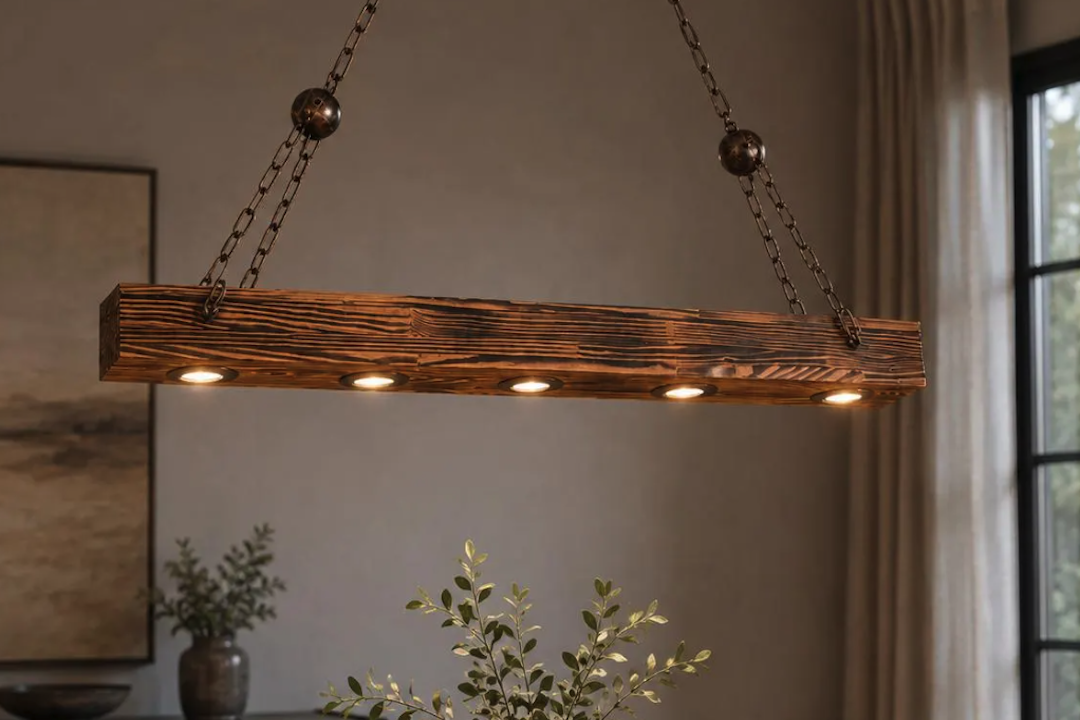
So, you’re looking to spruce up your place, huh? And you’ve got high ceilings, which is a fantastic starting point! The question on your mind is probably: can a high ceiling oak wood pendant light really make a difference? The short answer is a resounding yes. It’s not just about adding light; it’s about transforming the very feel of your room, bringing in warmth, character, and a touch of natural elegance. Forget those generic light fixtures; an oak pendant is a statement piece that can genuinely elevate your space.
Why Oak Wood for Your Pendant Light?
Oak wood isn’t just a trendy material; it has a long-standing reputation for good reason. It’s durable, it ages beautifully, and its natural grain offers a visual depth that synthetic materials just can’t replicate. When you introduce oak into your lighting Lucklamps, you’re bringing a piece of nature indoors, and that’s always a good thing for creating a welcoming atmosphere.
The Warmth Factor
One of the most significant benefits of oak is its inherent warmth. The natural hues and textures of the wood absorb and reflect light in a way that makes a room feel cozier and more inviting. This is especially true for high ceilings, which can sometimes feel a bit cavernous or impersonal. An oak pendant light acts as a visual anchor, drawing the eye down and creating a more intimate zone within the larger space. It’s the kind of warmth that makes you want to curl up with a book or gather with friends.
Durability and Longevity
Oak is known for its strength and resilience. This means your oak pendant light isn’t just a pretty face; it’s built to last. Unlike materials that might chip, fade, or become brittle over time, oak tends to develop a lovely patina, becoming even more attractive as it ages. This is a smart investment for your home, offering both aesthetic appeal and a long lifespan.
Natural Aesthetic Appeal
The unique grain patterns in oak are like a fingerprint – no two pieces are exactly alike. This natural variation adds character and visual interest to your lighting. Whether it’s a smooth, polished finish or a more rustic, textured look, the oak itself becomes a decorative element, contributing to the overall style of your room. It’s a subtle detail that makes a big impact.
Making the Most of Your High Ceilings
High ceilings are a luxury in many homes, but they can also present a design challenge. How do you fill that vertical space without making the room feel empty or overwhelming? A well-chosen pendant light is one of the most effective solutions, and an oak one adds a particular kind of magic.
Bridging the Gap
A pendant light, by its very nature, hangs down from the ceiling. In a room with high ceilings, this downward extension is crucial. It helps to visually lower the ceiling line, making the space feel more proportionate and less like a grand, echoing hall. The length of the cord or chain becomes an integral part of the design, allowing you to precisely control where the light and the fixture itself sit within the room.
Creating a Focal Point
A large or distinct pendant light can serve as a powerful focal point, drawing attention and giving the room a sense of purpose. An oak pendant, with its natural beauty and often substantial presence, is perfectly suited for this role. It becomes a piece of art that you can look up to, literally and figuratively. This is particularly effective in open-plan living areas where you might want to define different zones.
Illuminating Key Areas
High ceilings often mean larger rooms, which might have specific areas that need more focused lighting. Think about a dining table, a reading nook, or a kitchen island. A pendant light is ideal for task lighting in these zones, and an oak pendant can add a touch of warmth and style to whatever you’re illuminating. It’s about creating functional beauty.
Choosing the Right Oak Wood Pendant Light
With so many options out there, selecting the perfect oak pendant can feel a little daunting. But don’t worry, it’s more about understanding what works for your space and your style. It’s not about finding the “best” one, but the “right” one for you.
Size Matters (Especially with High Ceilings)
When you have high ceilings, you can generally get away with a larger pendant light. A tiny fixture will look lost and insignificant. Consider the overall scale of your room. A pendant that’s too small will seem like an afterthought, while one that’s too large might overwhelm the space. Measure your room and think about how the pendant will fit visually. Often, a longer drop is also a good idea to bring the light closer to the living space.
The Shade Material and Style
While the focus is on oak, the shade itself is also important. Oak can be used for the entire fixture, as a frame, or as an accent. The shade material – whether it’s glass, fabric, metal, or even more wood – will influence the light diffusion and the overall aesthetic. A frosted glass shade will offer a softer, more diffused light, while clear glass will be more direct. Consider the style you’re aiming for: modern, rustic, minimalist, or industrial.
Finish and Color
Oak wood comes in various finishes, from light and airy to dark and rich. Think about the existing color palette of your room and what kind of mood you want to create. A light oak finish can feel more contemporary and Scandinavian, while a darker, stained oak can bring a sense of traditional warmth or drama. Some pendants might also incorporate metal accents in brass, black, or brushed nickel, which can complement or contrast with the oak.
Installation Considerations for High Ceilings
Installing a pendant light from a high ceiling is a bit different from a standard ceiling. It’s worth paying attention to the details to ensure it’s safe, functional, and looks just right.
The Importance of Drop Length
This is where high ceilings really come into play. The drop length of your pendant light – the distance from the ceiling to the bottom of the fixture – is critical. For a dining table, you generally want the bottom of the pendant to be around 30-36 inches above the tabletop. For general ambient lighting in a living area, you might want it lower, around 7 to 9 feet from the floor, depending on the ceiling height. This brings the light down to a more usable and visually comfortable level.
Professional Installation is Recommended
While some DIY enthusiasts might be comfortable tackling this, for high ceilings, it’s often best to call in a qualified electrician. They have the right tools and expertise to ensure the fixture is securely mounted, the wiring is done correctly, and safety standards are met. Plus, they can advise on the best placement and ensure it’s hung at the optimal height for your specific space.
Consider Extension Rods or Longer Chains
Many pendant lights come with standard length cords or chains. For high ceilings, you’ll likely need longer options. Look for pendants that offer extension rods or longer chain lengths. If the one you love doesn’t, ask your electrician if custom solutions are possible, or if you can source longer chains or wires from a lighting supplier. It’s an essential detail for achieving the right look and functionality.
Bringing it All Together: Styling Your Oak Pendant Light
Once your beautiful oak pendant is installed, the fun really begins: styling your space around it. This is where you can really make your high ceiling come alive and create a cohesive, inviting atmosphere.
Layering Your Lighting
Don’t rely on just one light source. An oak pendant is a great start, but you’ll likely need other forms of lighting to create depth and ambiance. Think about floor lamps, table lamps, and even wall sconces. Layering your lighting allows you to adjust the mood and functionality of the room throughout the day and for different occasions.
Complementary Decor Elements
Think about other materials and colors that will complement the oak. Natural textures like linen, wool, and stone can work beautifully. If you have a more modern space, perhaps a few minimalist pieces of decor will anchor the warmth of the wood. For a more traditional feel, consider antique accents or richer, deeper colors. The oak pendant can tie together different elements in your room.
The Impact on Different Rooms
- Living Room: An oak pendant can serve as a stunning centerpiece over a coffee table or in a seating area, creating a cozy gathering spot.
- Dining Room: This is a classic placement for pendant lights. An oak pendant over your dining table adds warmth and sophistication to mealtimes.
- Kitchen: Over an island or a breakfast nook, an oak pendant provides both task lighting and a stylish design element.
- Bedroom: For a more tranquil vibe, a larger oak pendant can add a touch of natural elegance to your sleeping space.
In essence, a high ceiling oak wood pendant light is more than just illumination; it’s an opportunity to infuse your home with warmth, character, and enduring style. By carefully considering the design, installation, and styling, you can transform your high-ceilinged space into something truly special.